
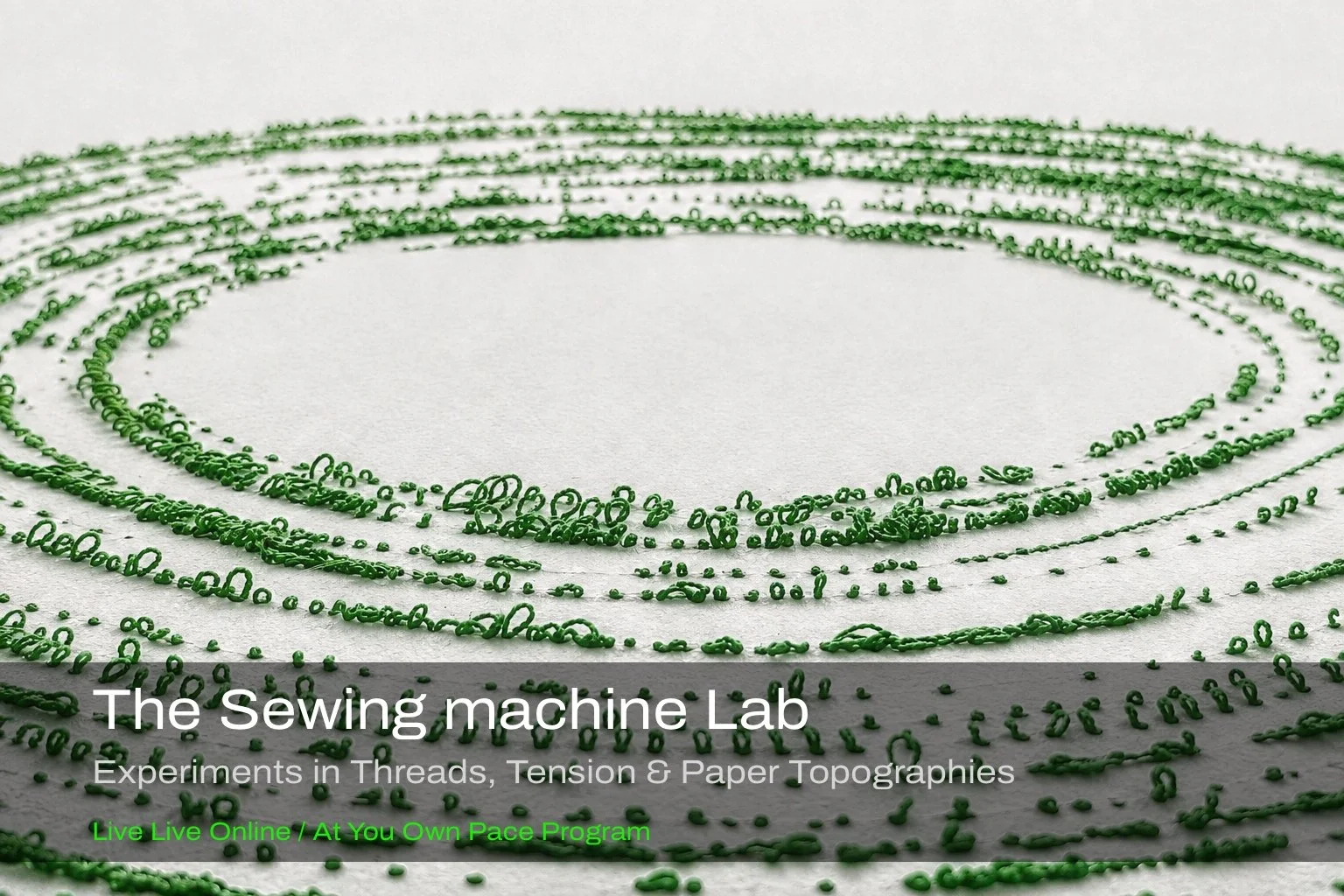
Introduction
The sewing machine has spent more than a century sewing fabric.
The Sewing Machine Lab asks a different question:
What happens when the sewing machine begins working with paper instead?
The Sewing Machine Lab is the result of years of artistic research, material experimentation, and teaching. It has evolved through workshops, exhibitions, and continuous studio practice, gradually developing into a complete methodology for working with paper through the sewing machine.
This workshop is not built around a collection of isolated techniques.
It is designed as a structured learning process that gradually changes the way you observe materials, understand the sewing machine, and develop your own artistic language.
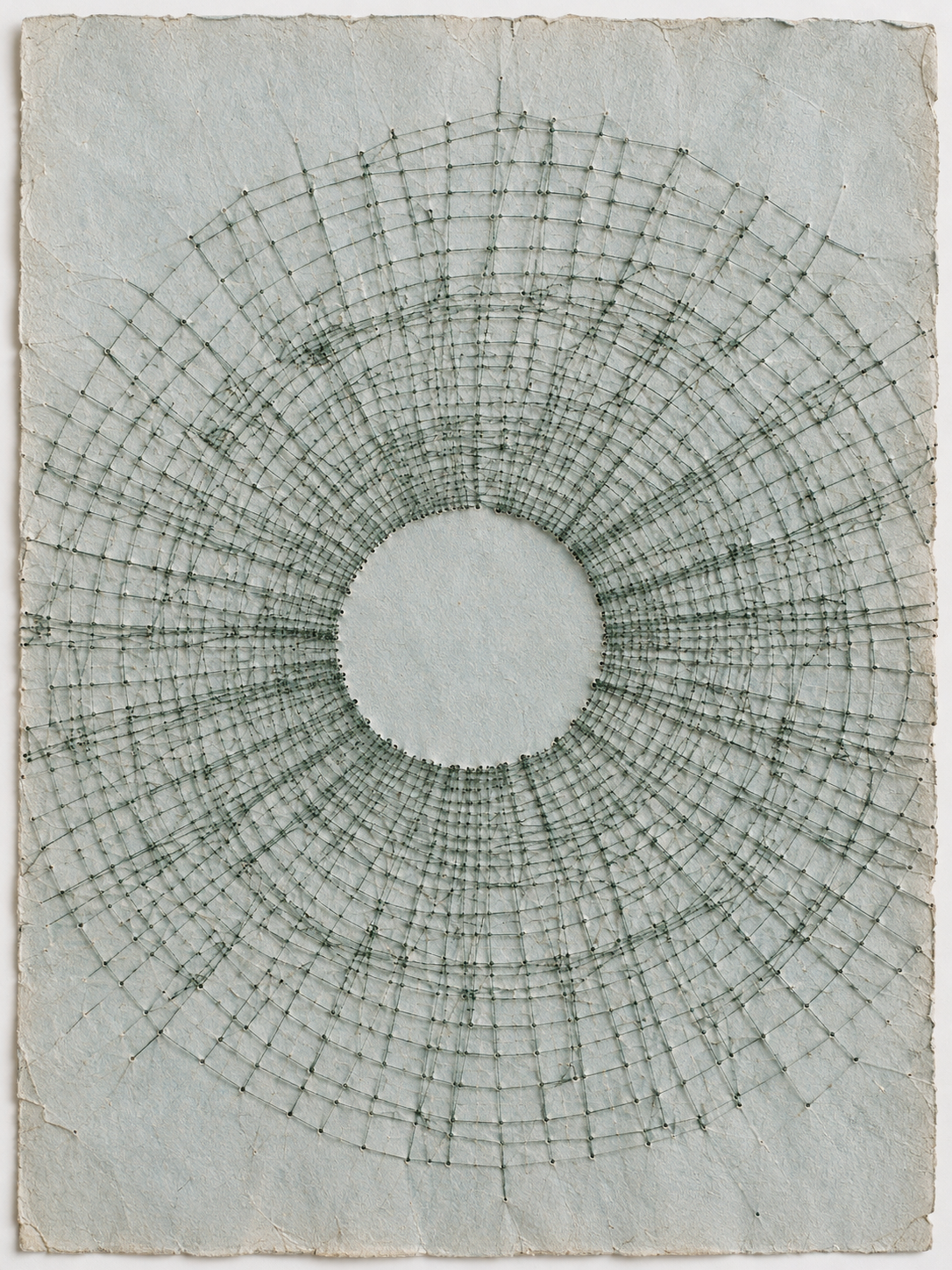
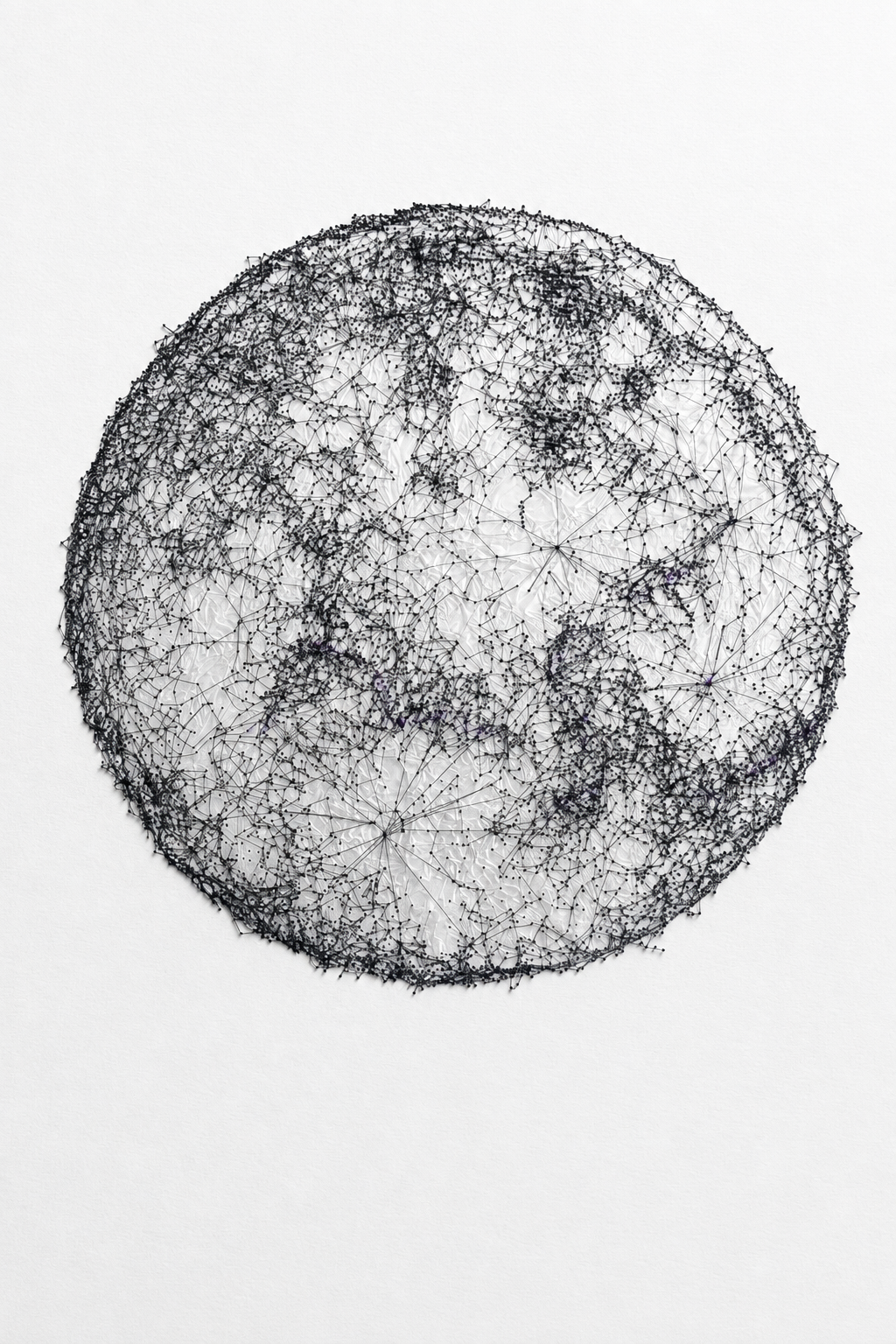
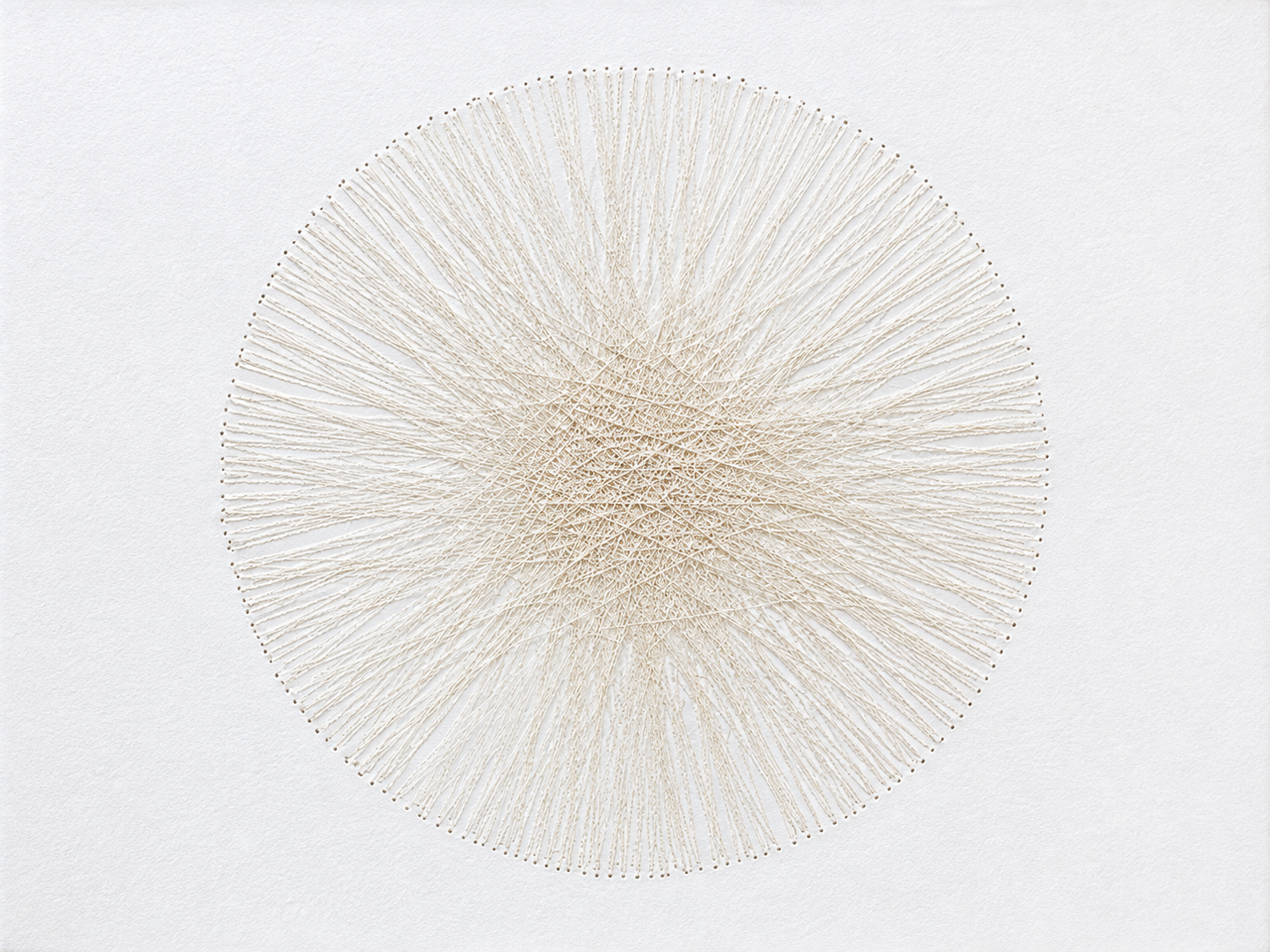
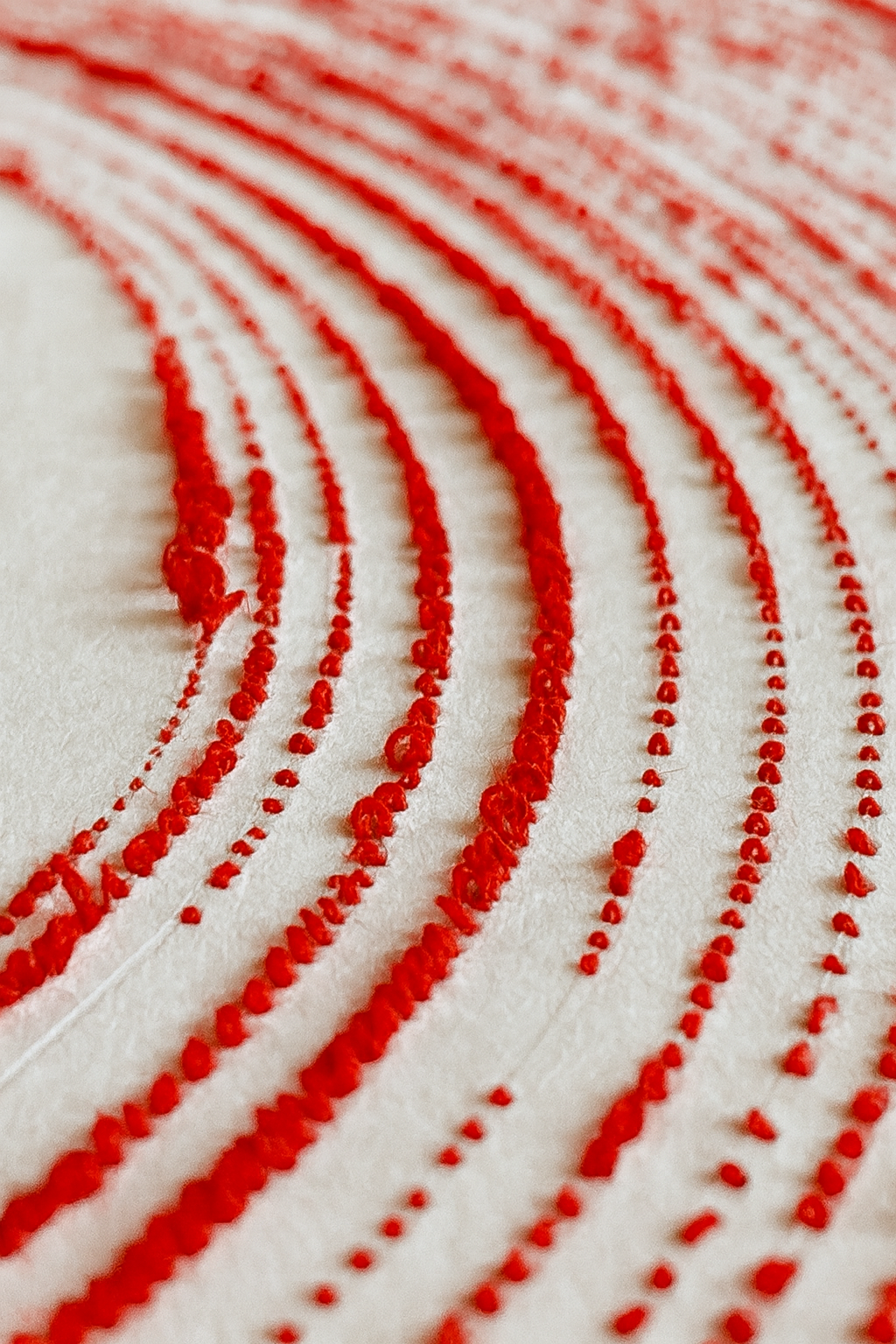
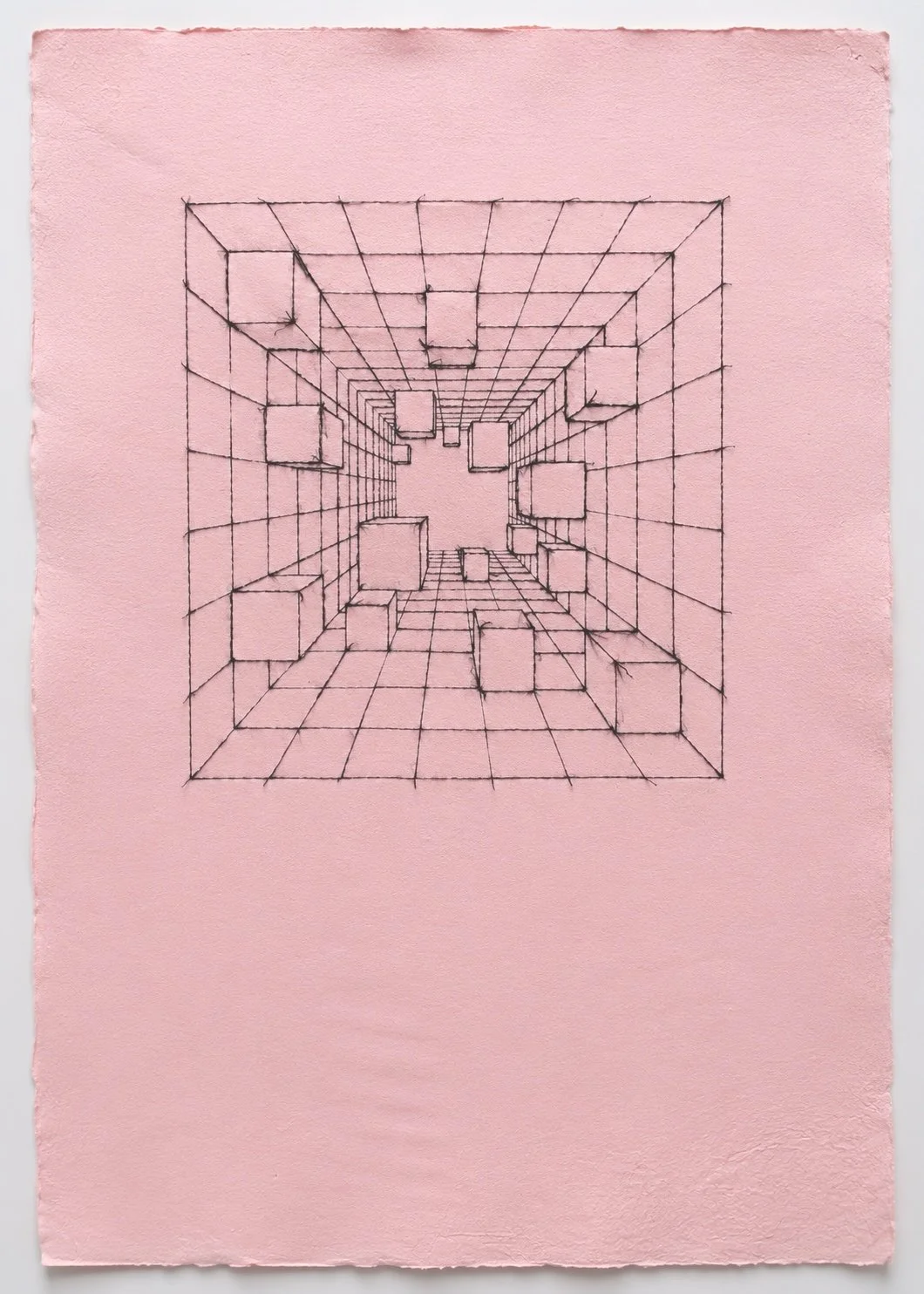
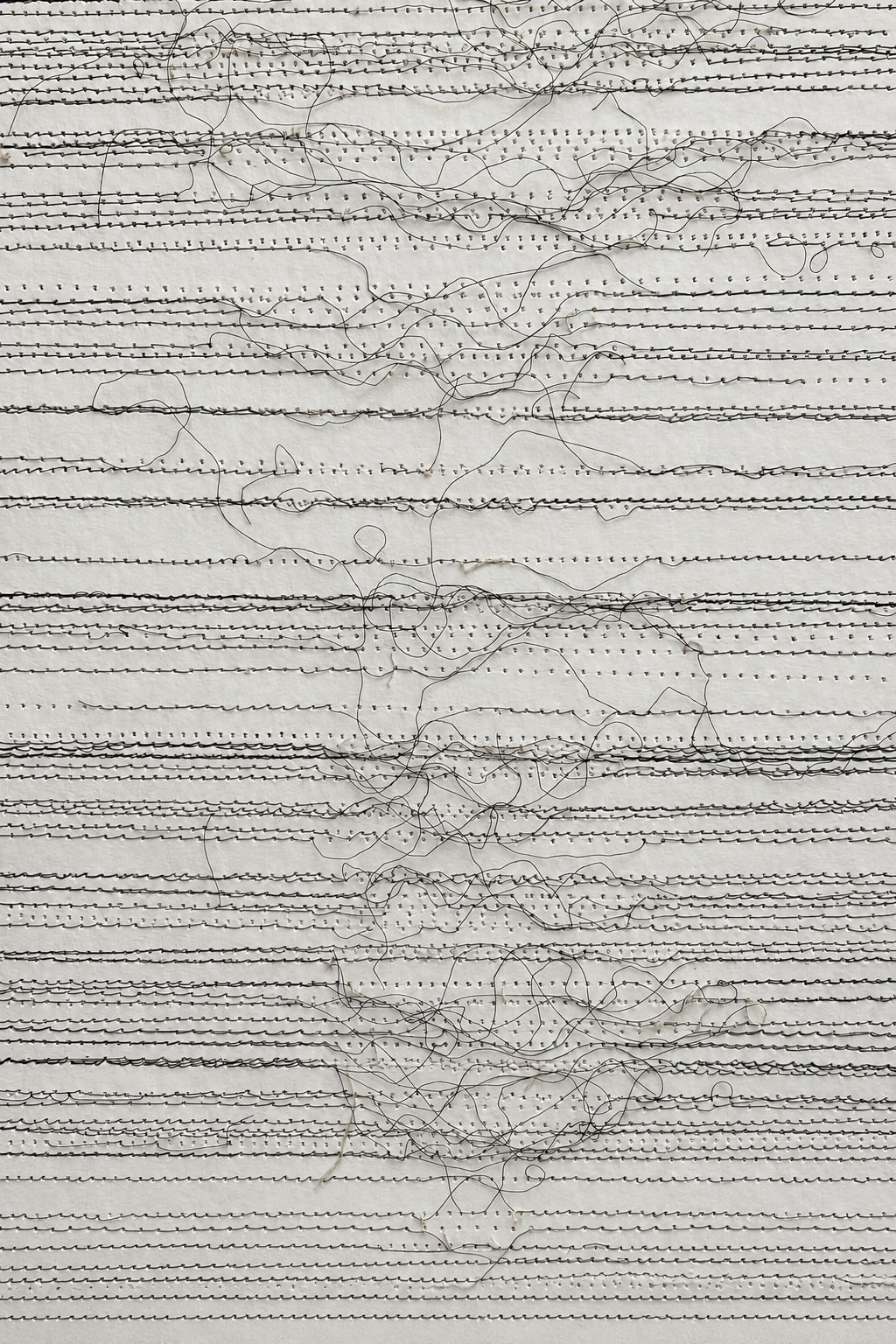
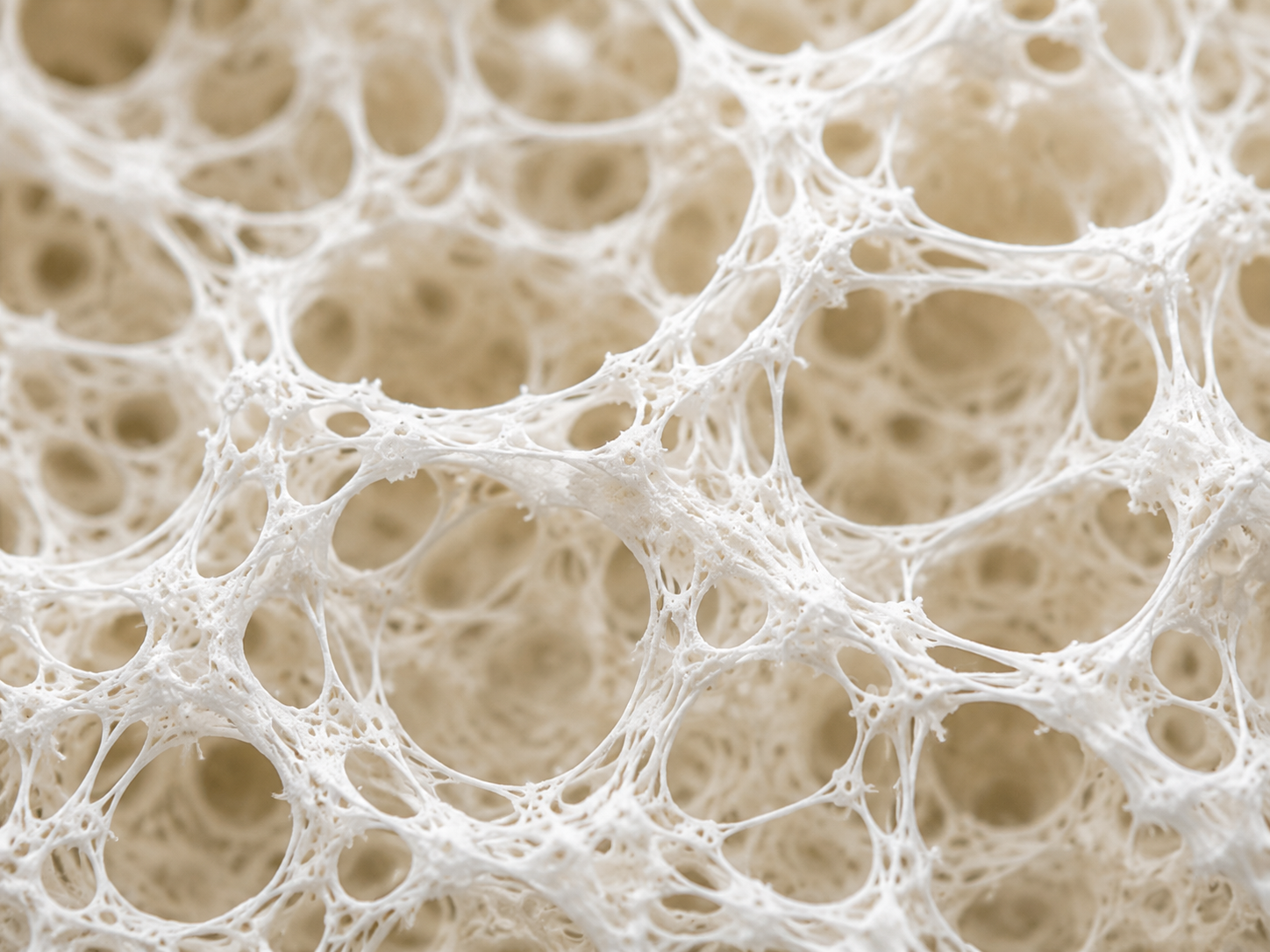
Explore The sewing Machine Lab
in Depth
-
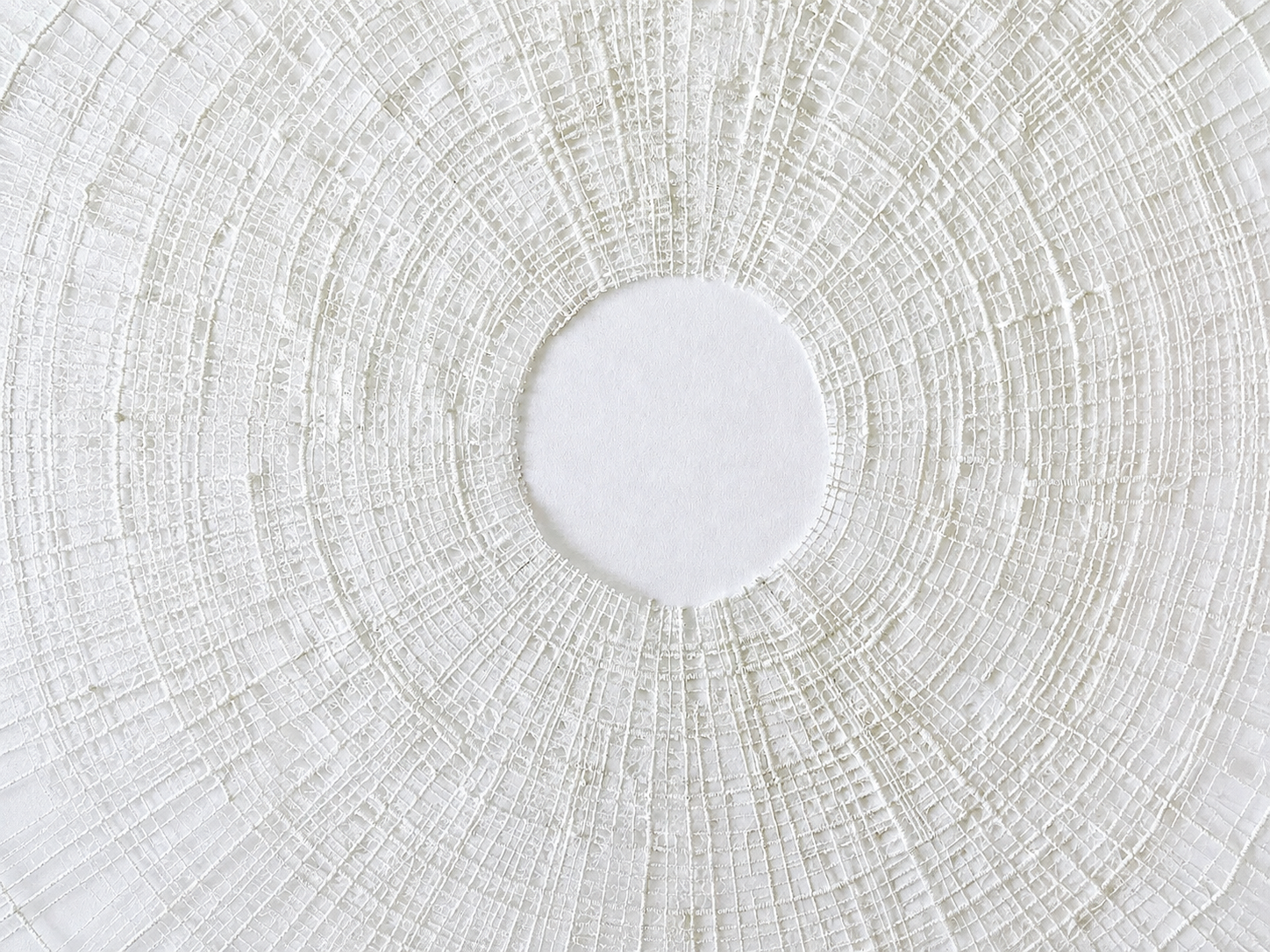
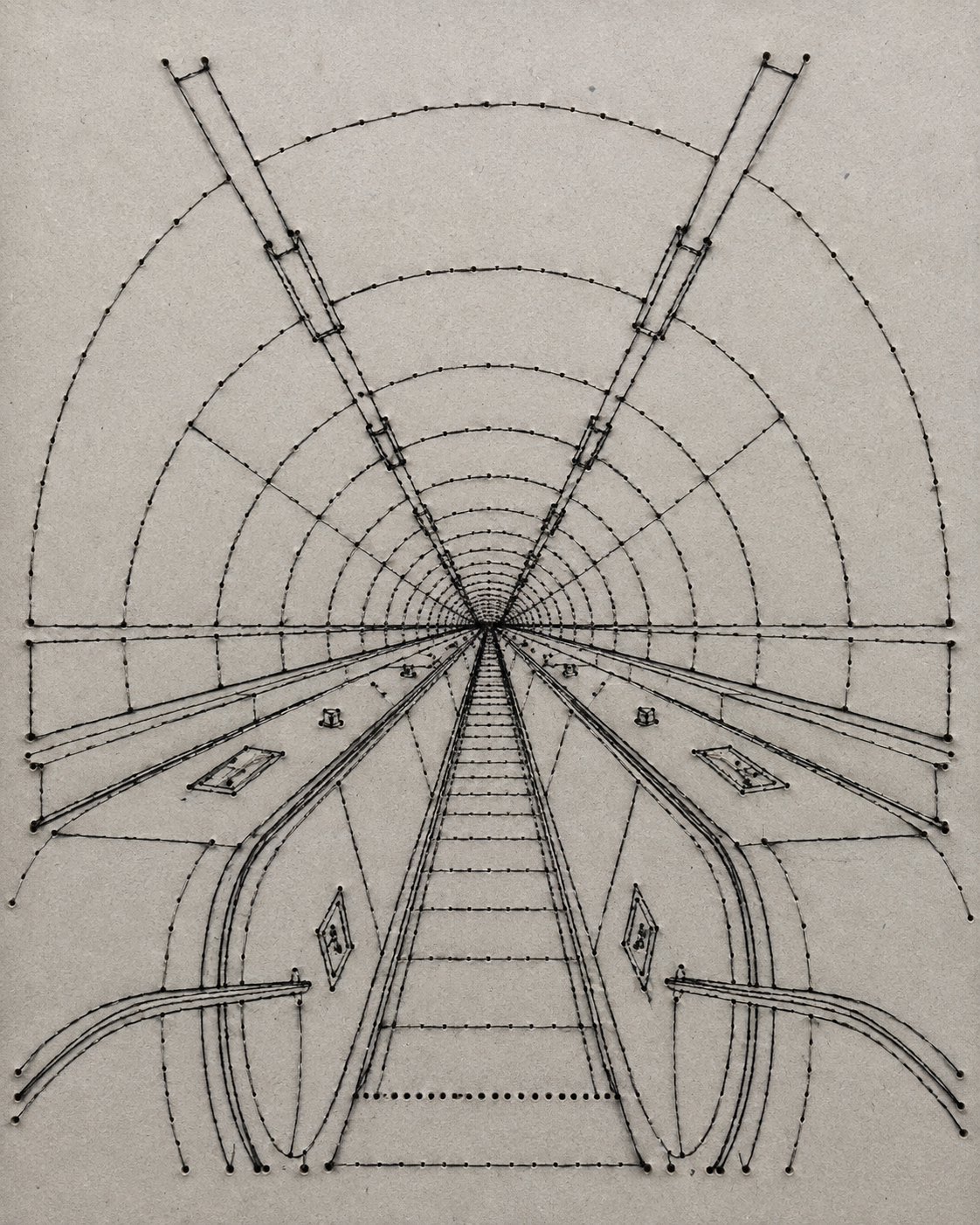
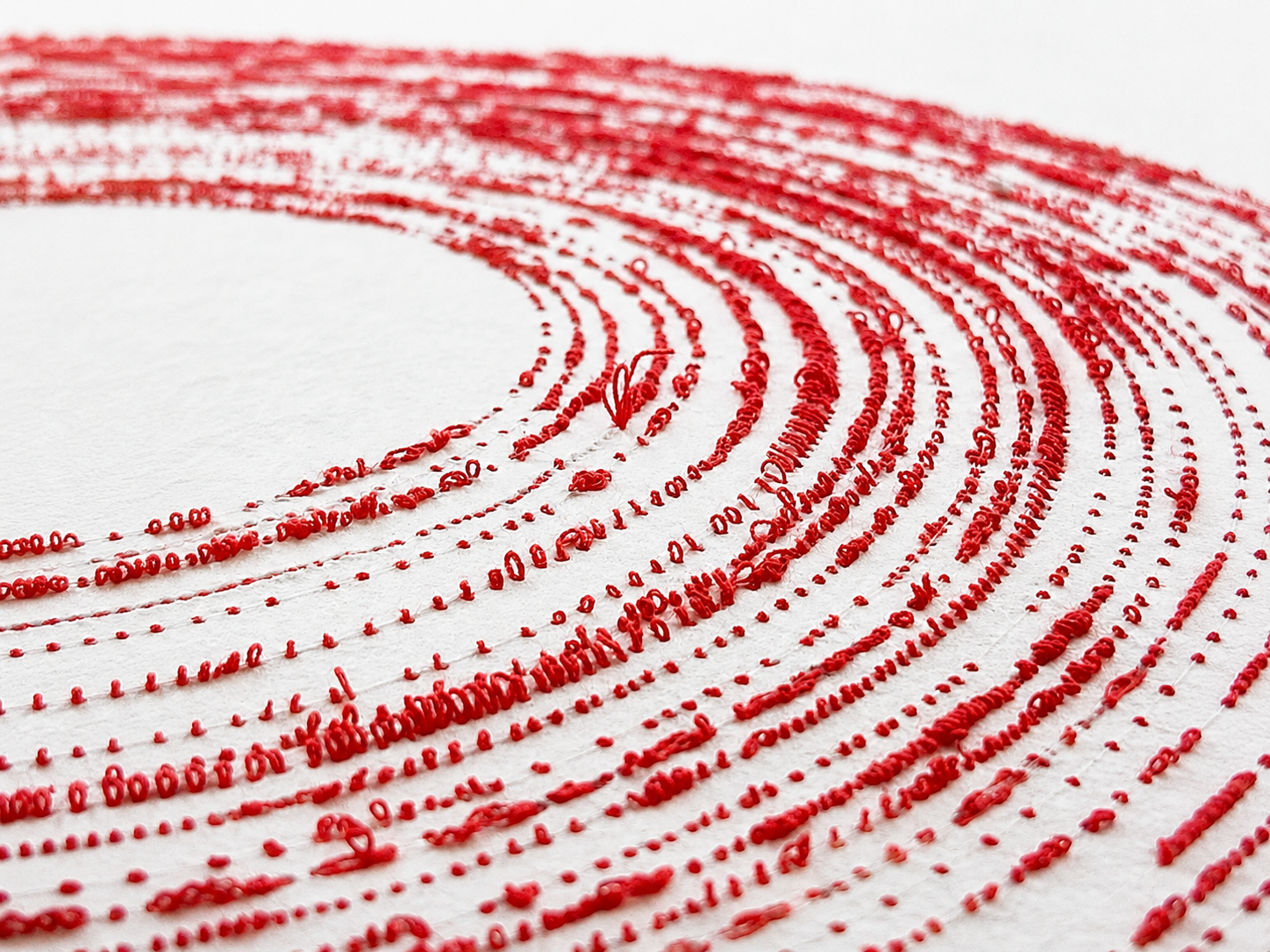
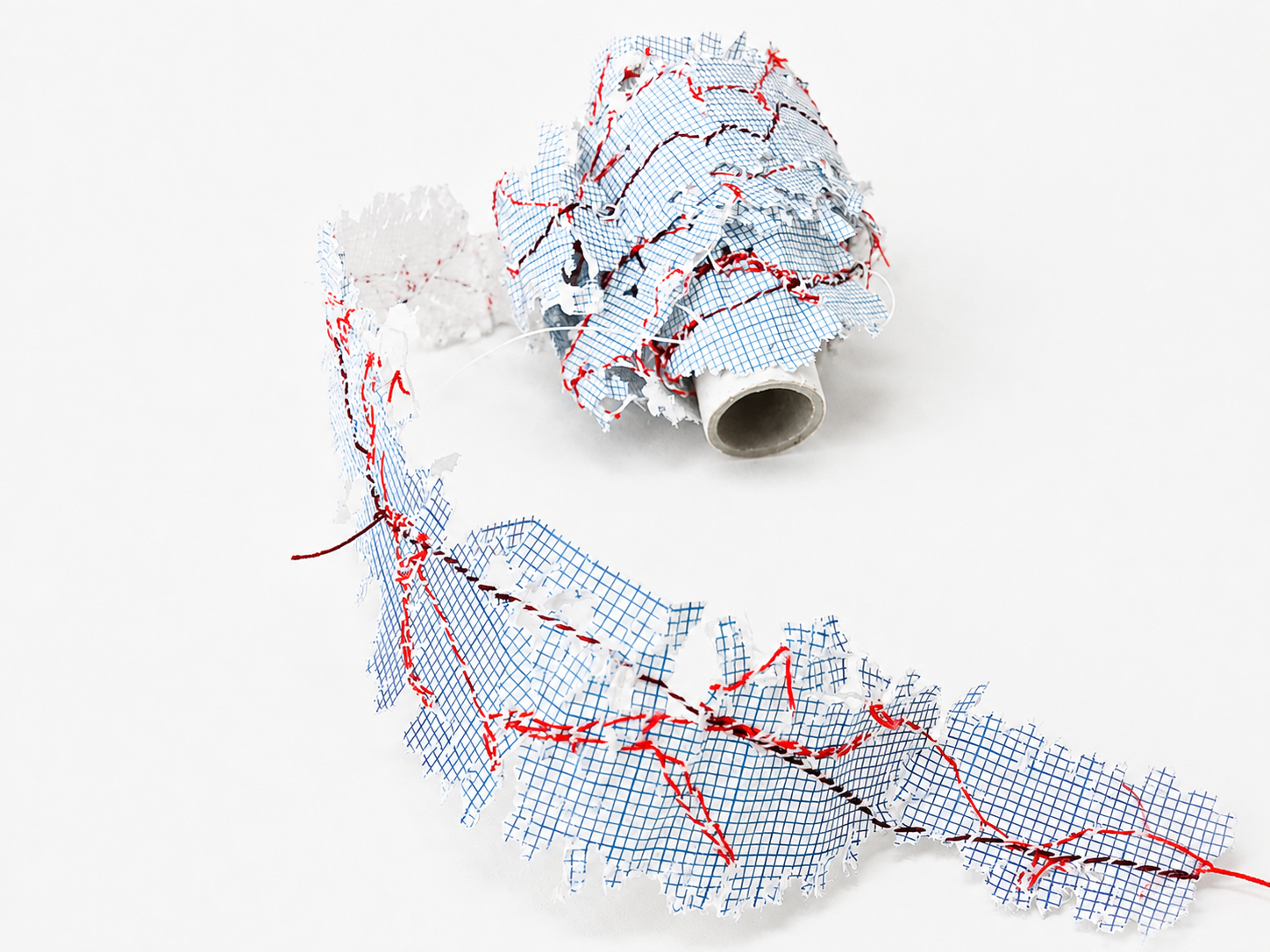
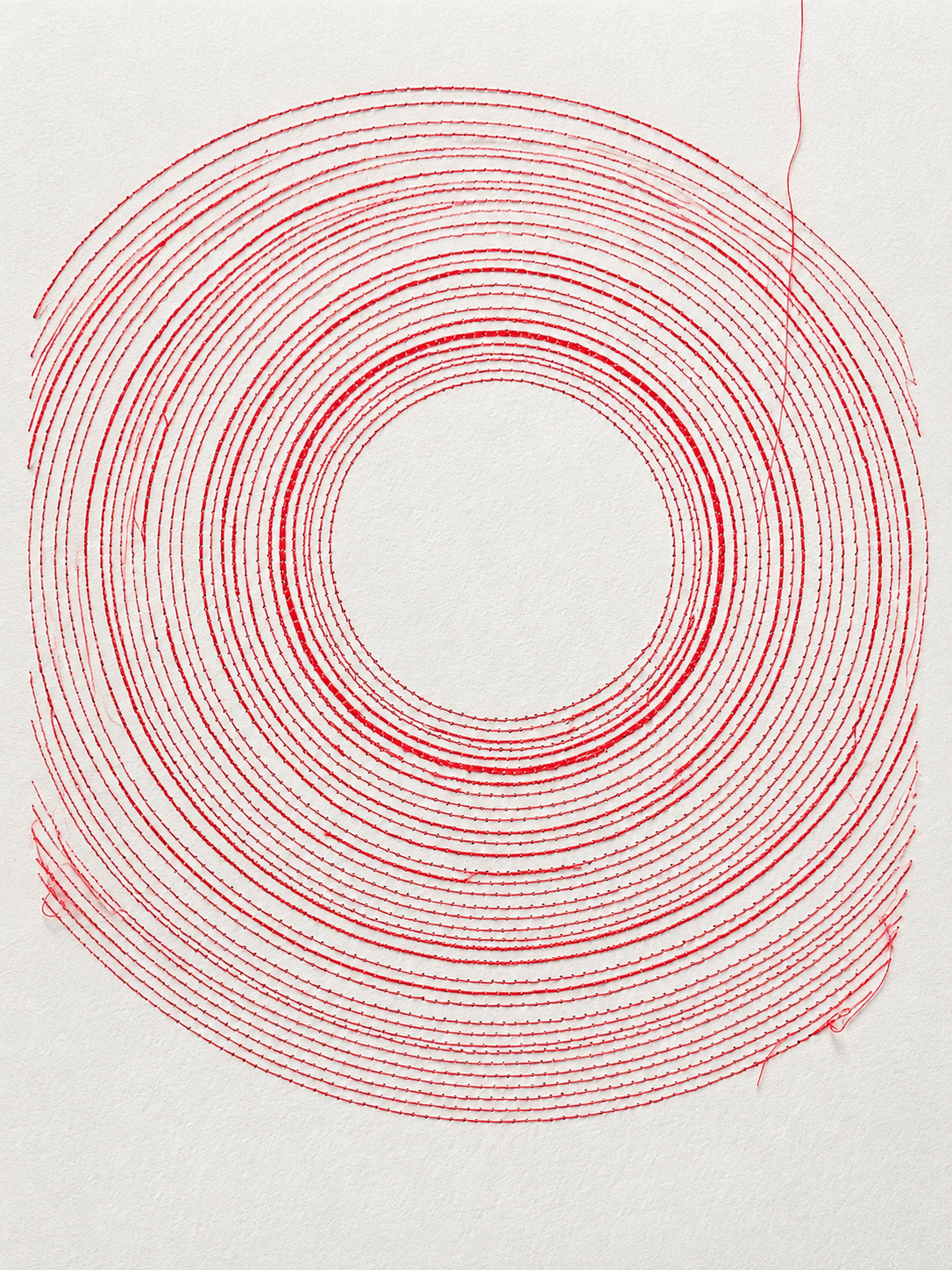
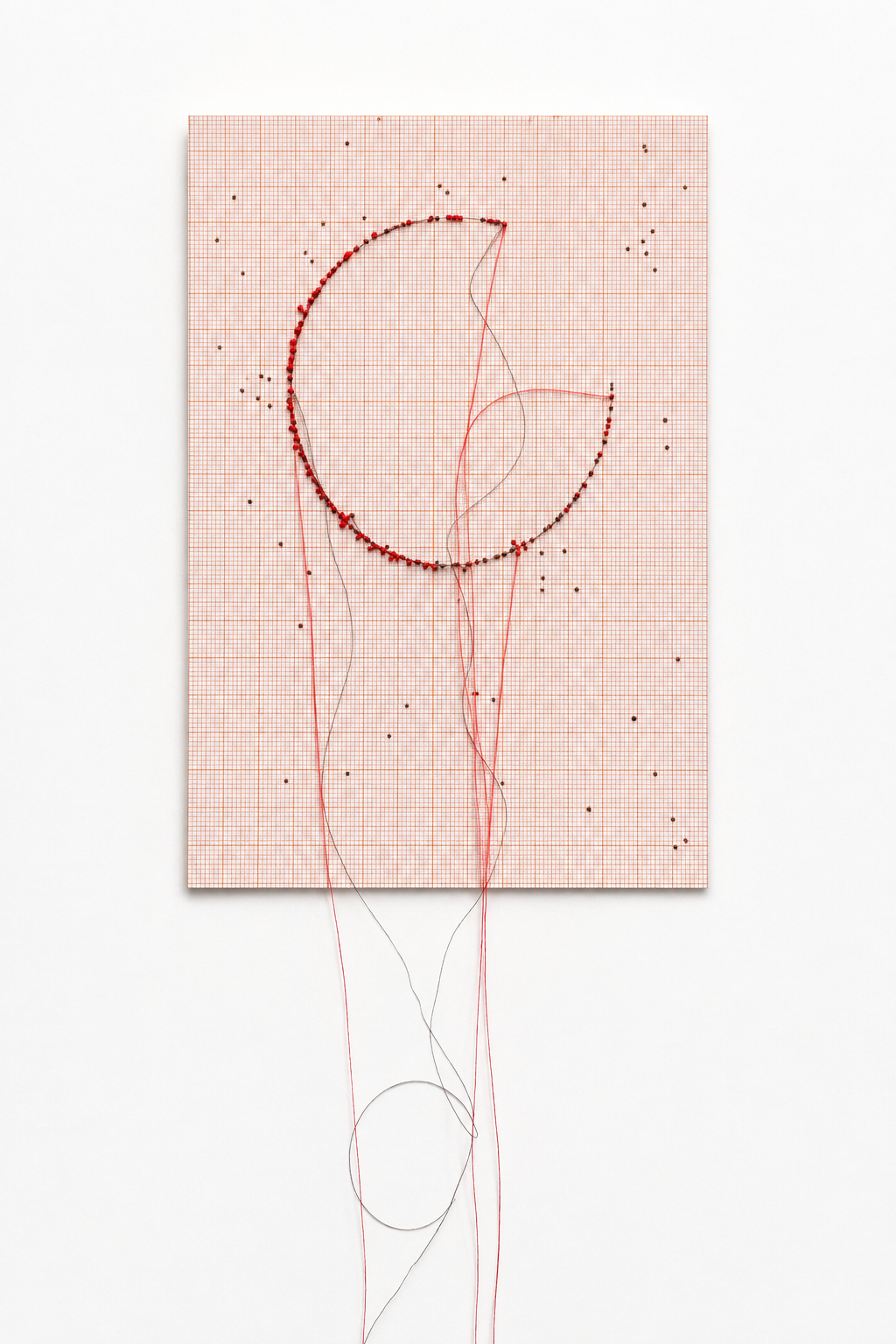
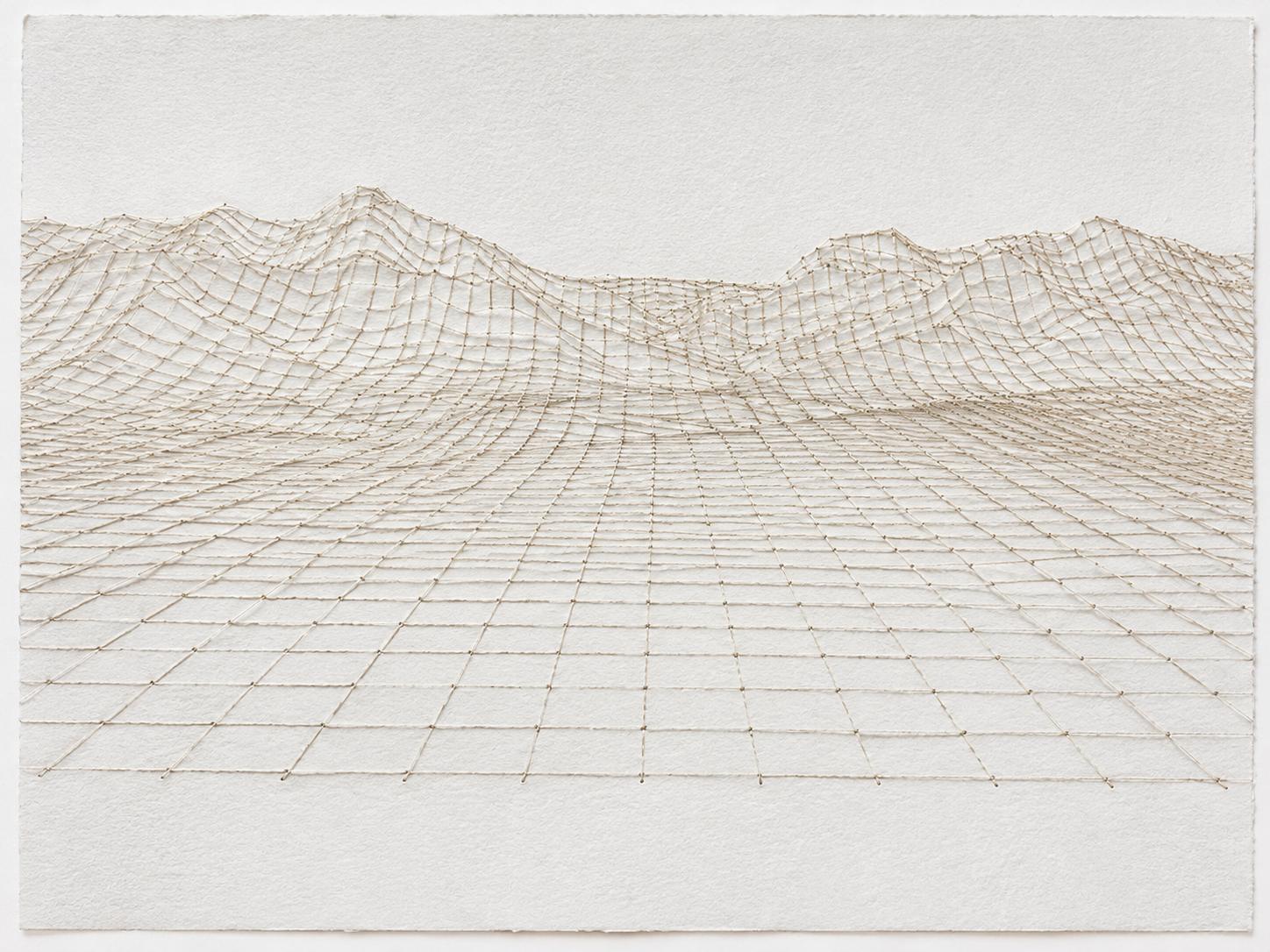
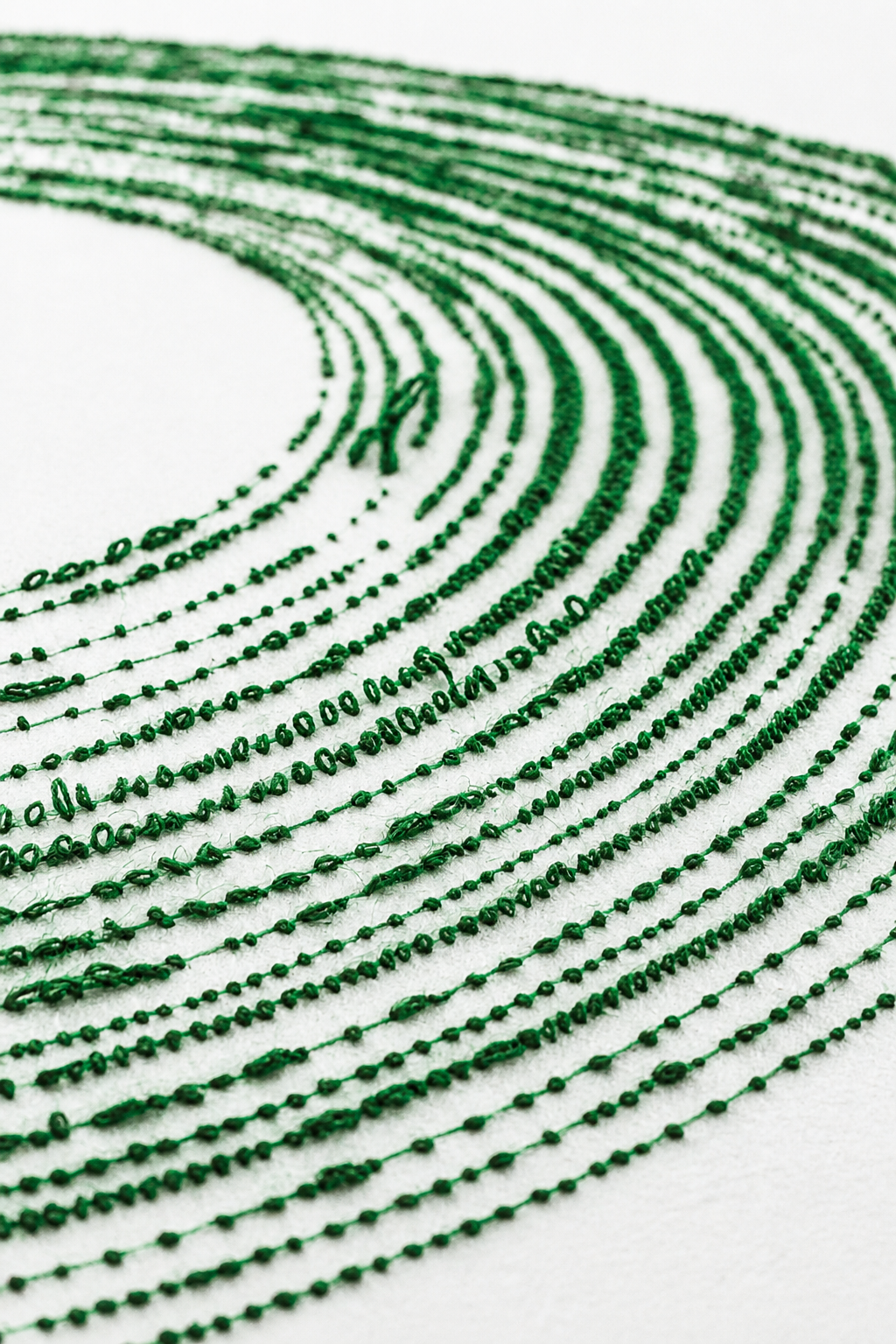
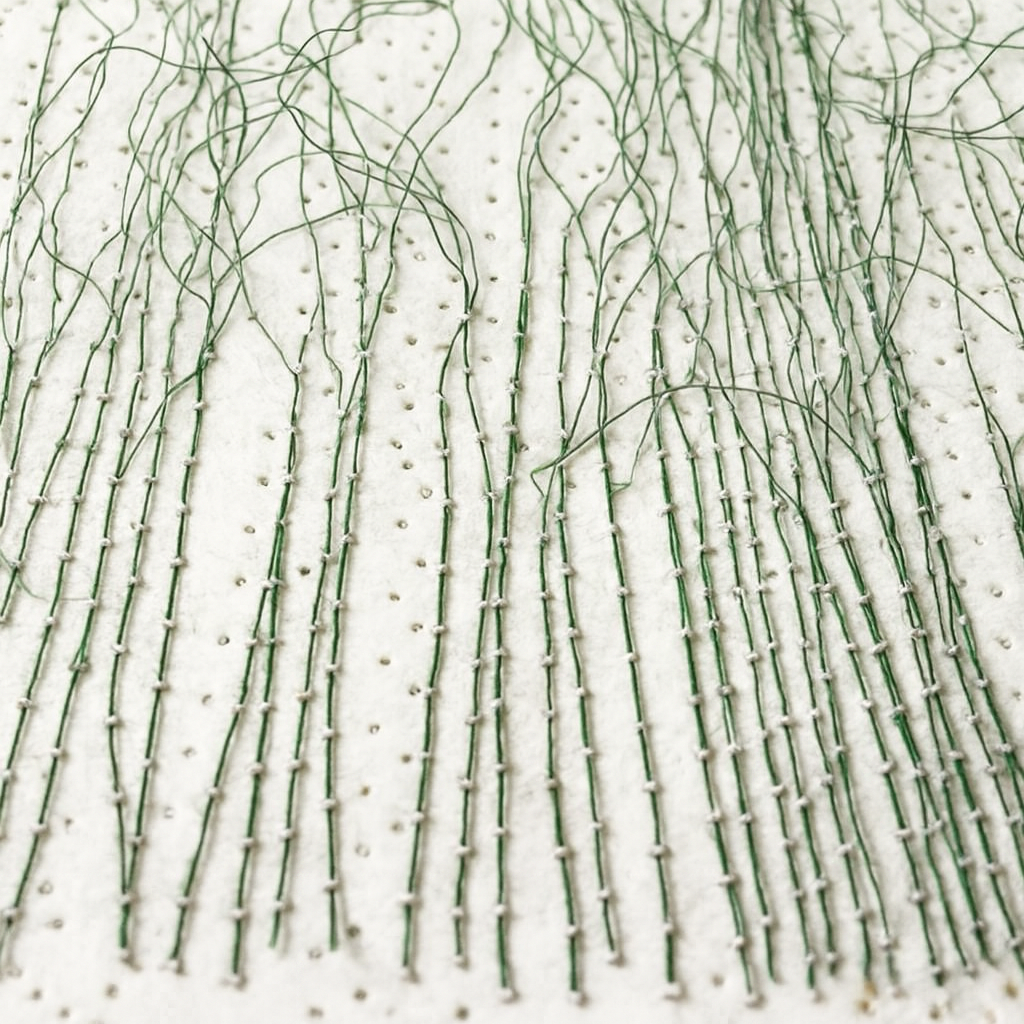
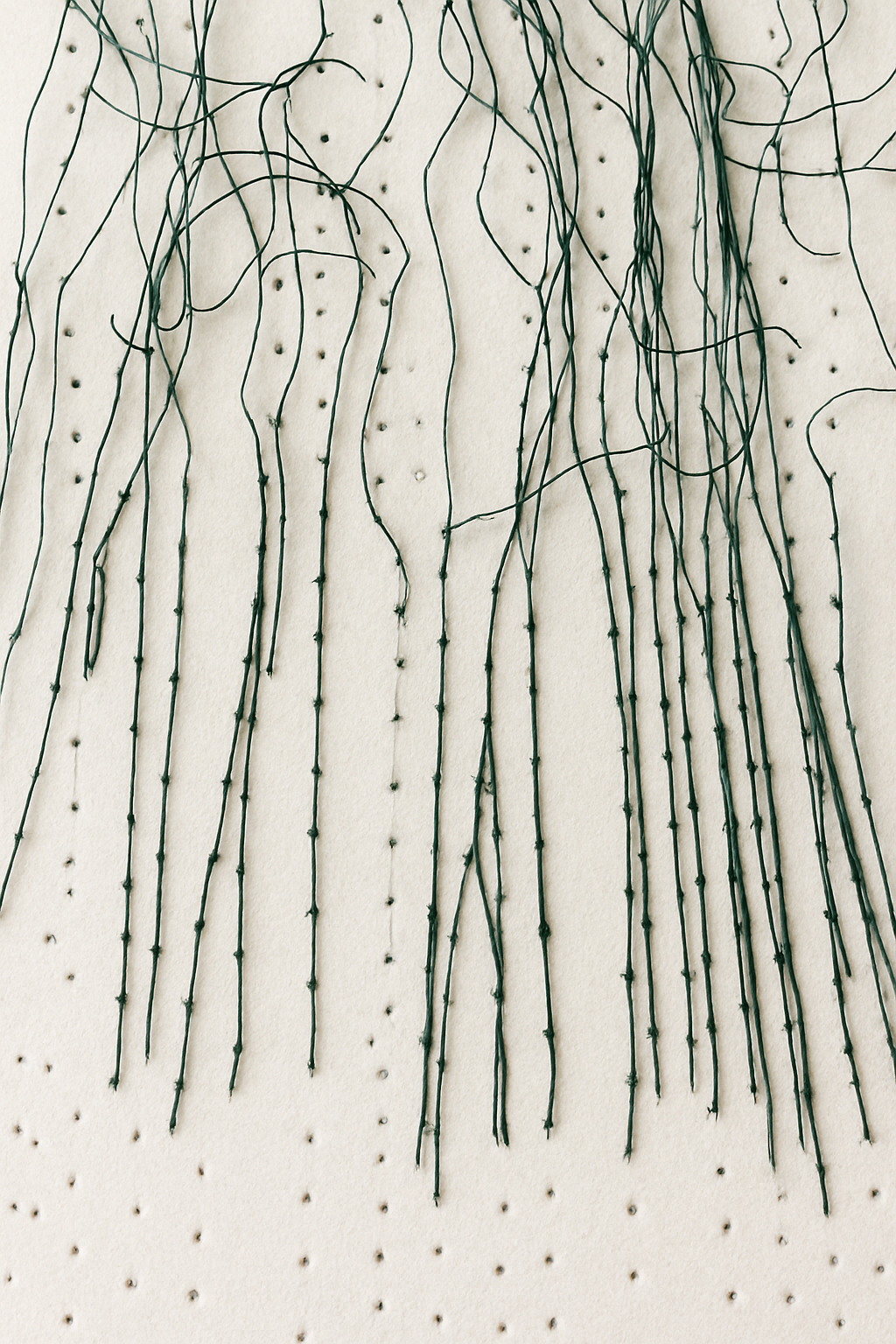
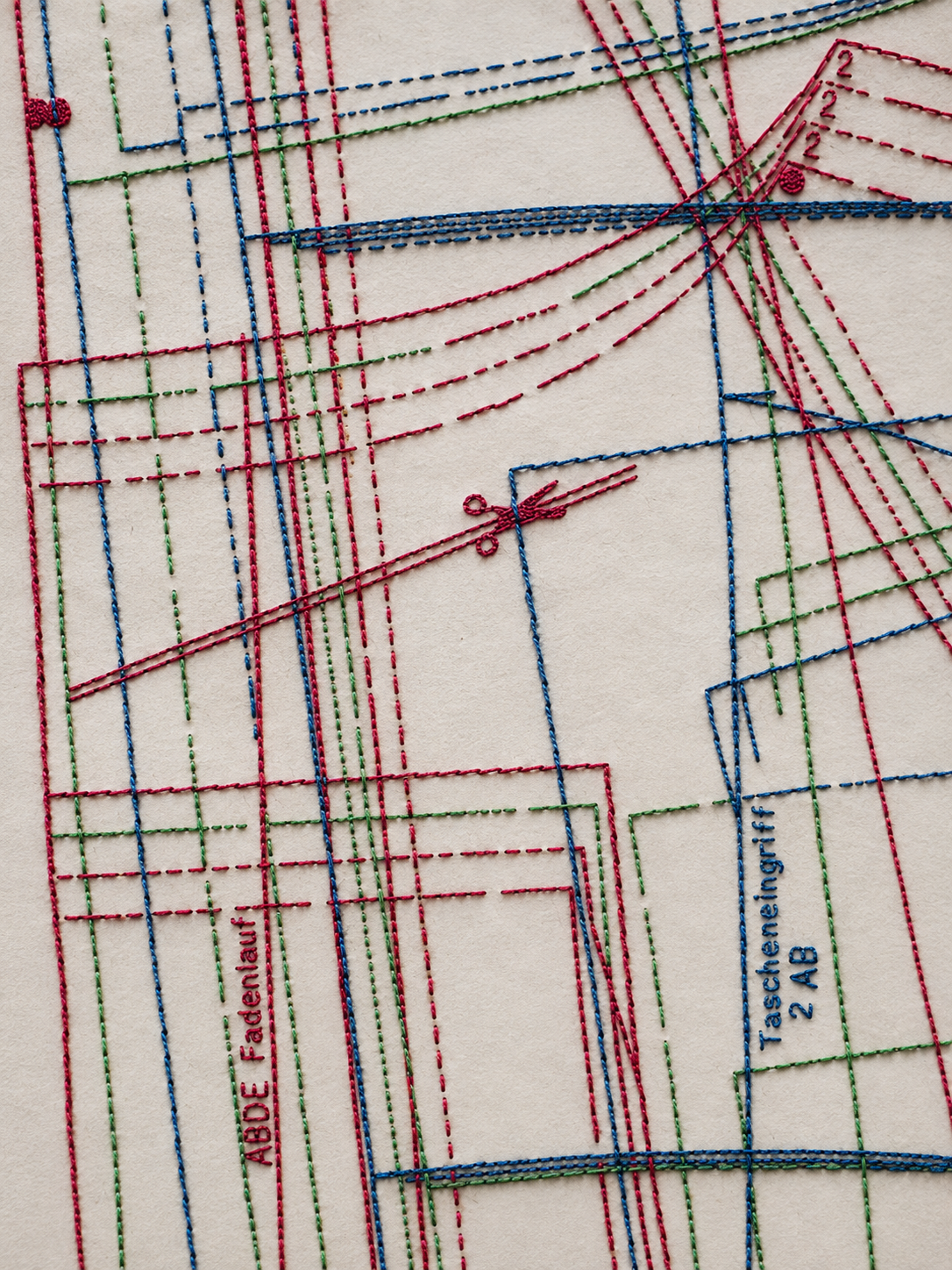
Across three in-depth sessions, you will discover how the sewing machine can become a drawing instrument, a piercing tool, a printmaking device, a cutting machine, a construction tool, and eventually a partner for creating sculptural paper installations.
-
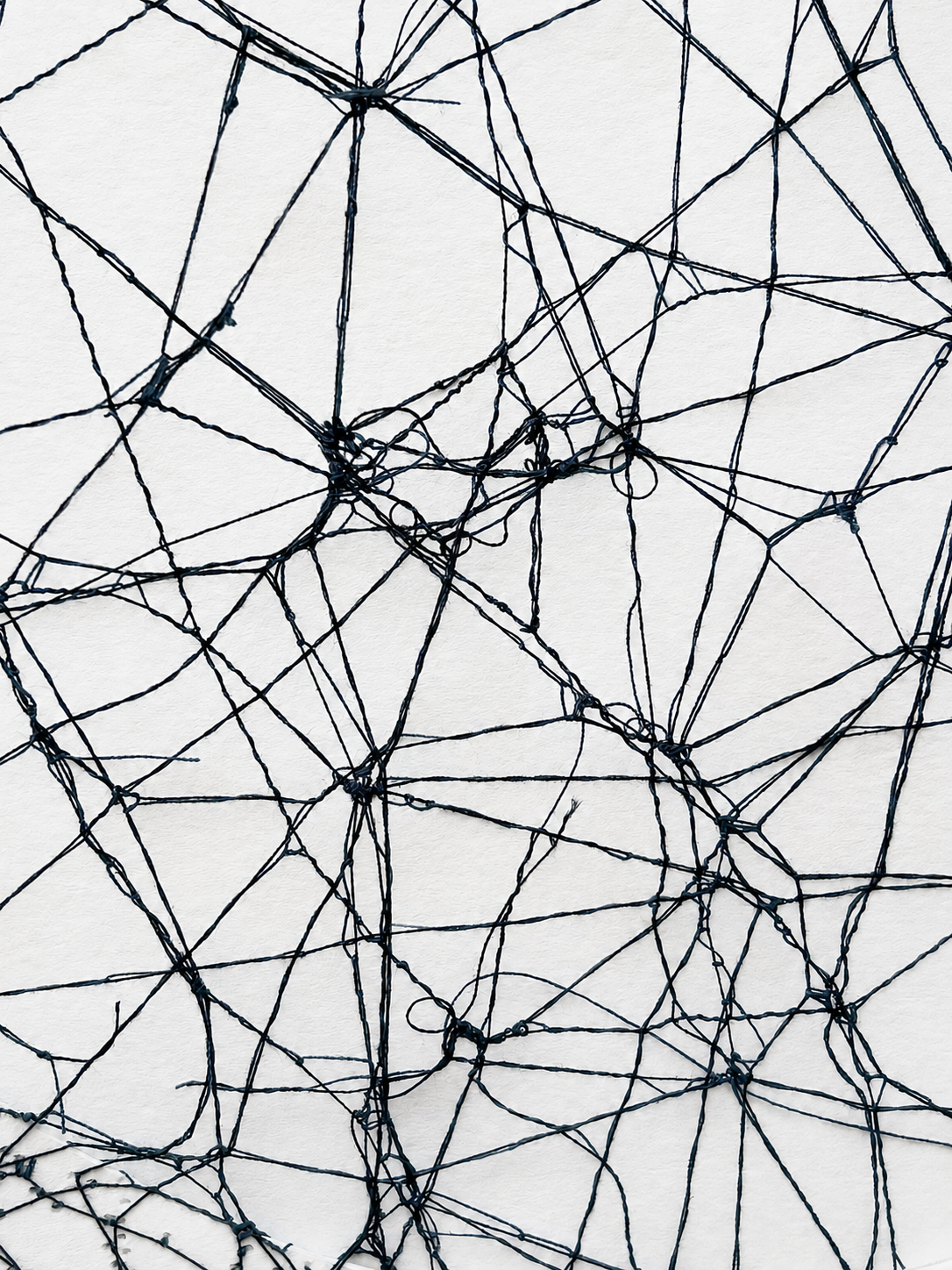
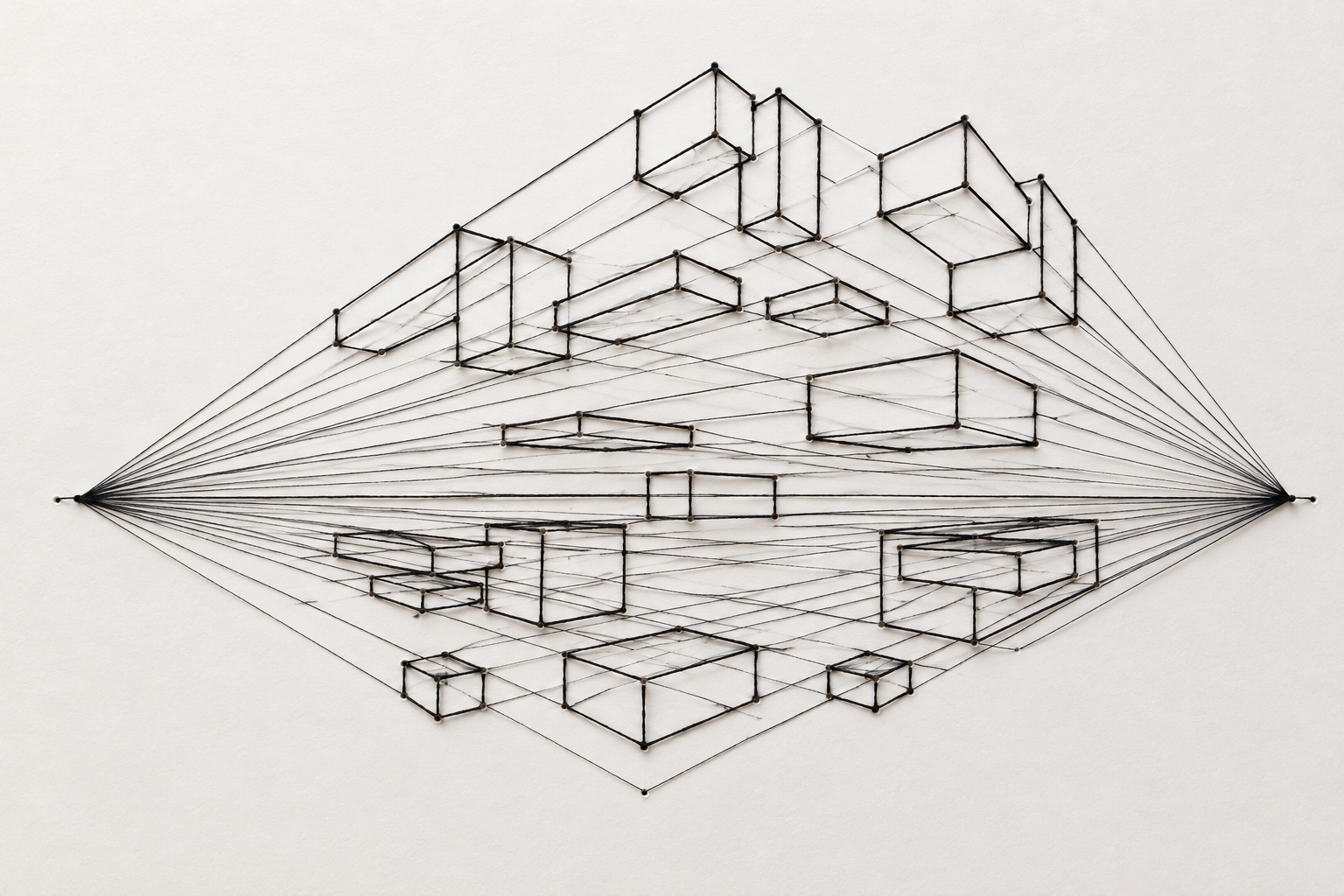
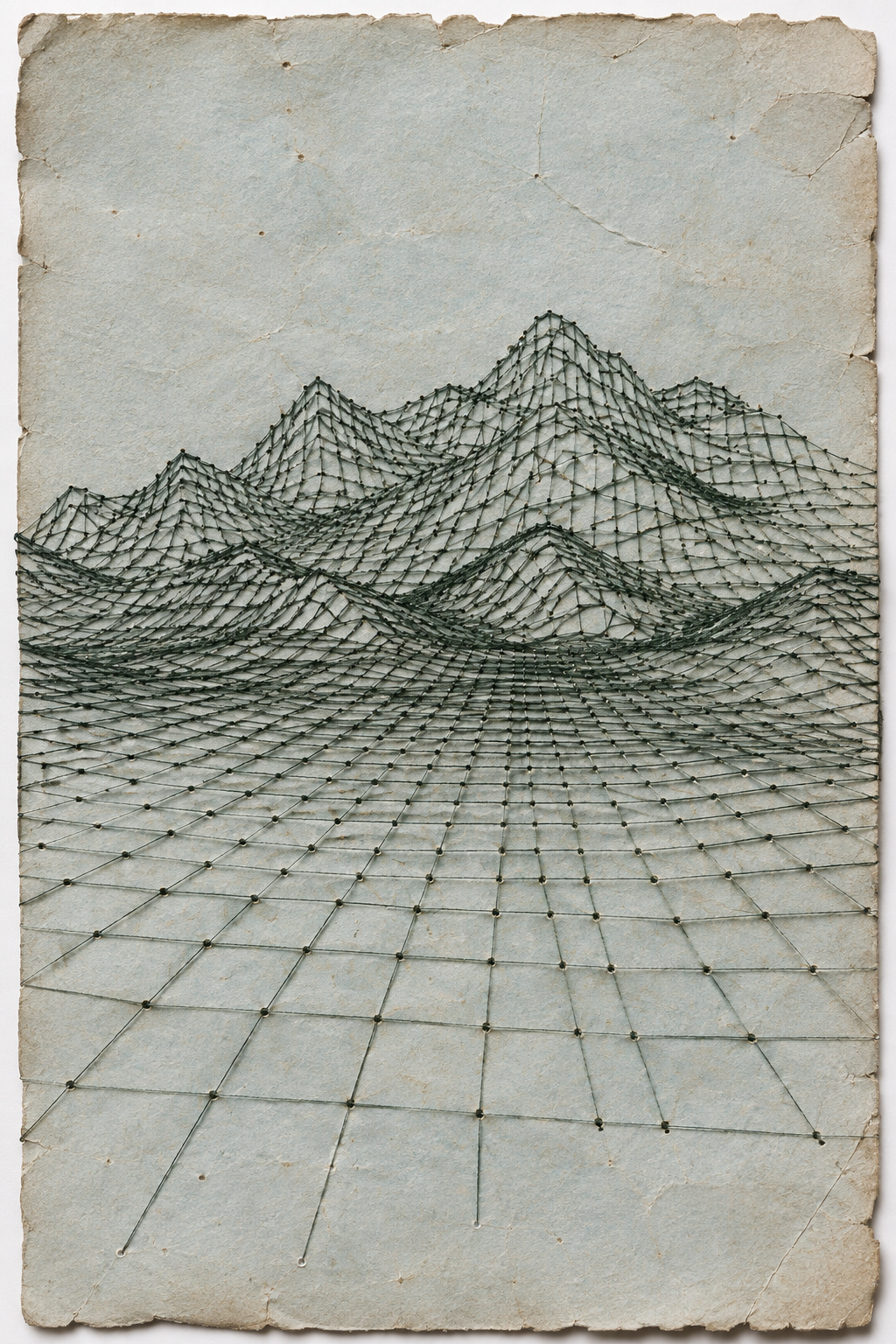
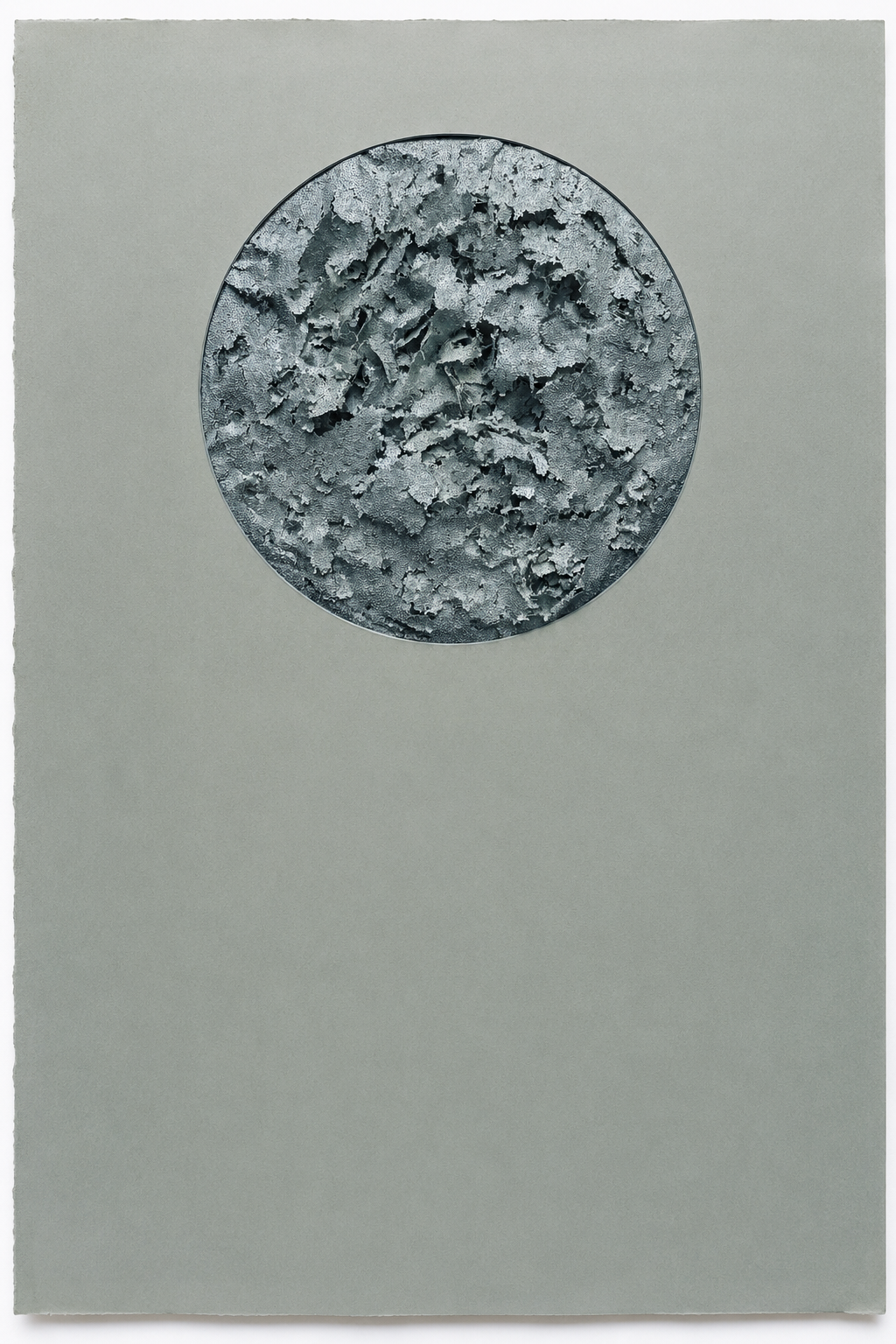
The first session focuses on the foundations. You will explore the relationship between paper, needles, threads, thread tension, and the sewing machine itself. Rather than simply learning how each component functions, you will discover how every material affects the others and how technical decisions gradually become creative decisions. Through a series of guided experiments, you will develop a deep understanding of Handwrite, Traces, Self-Topography, Perspective, Machine Piercing, Hand Embroidery, and Material Behavior.
-
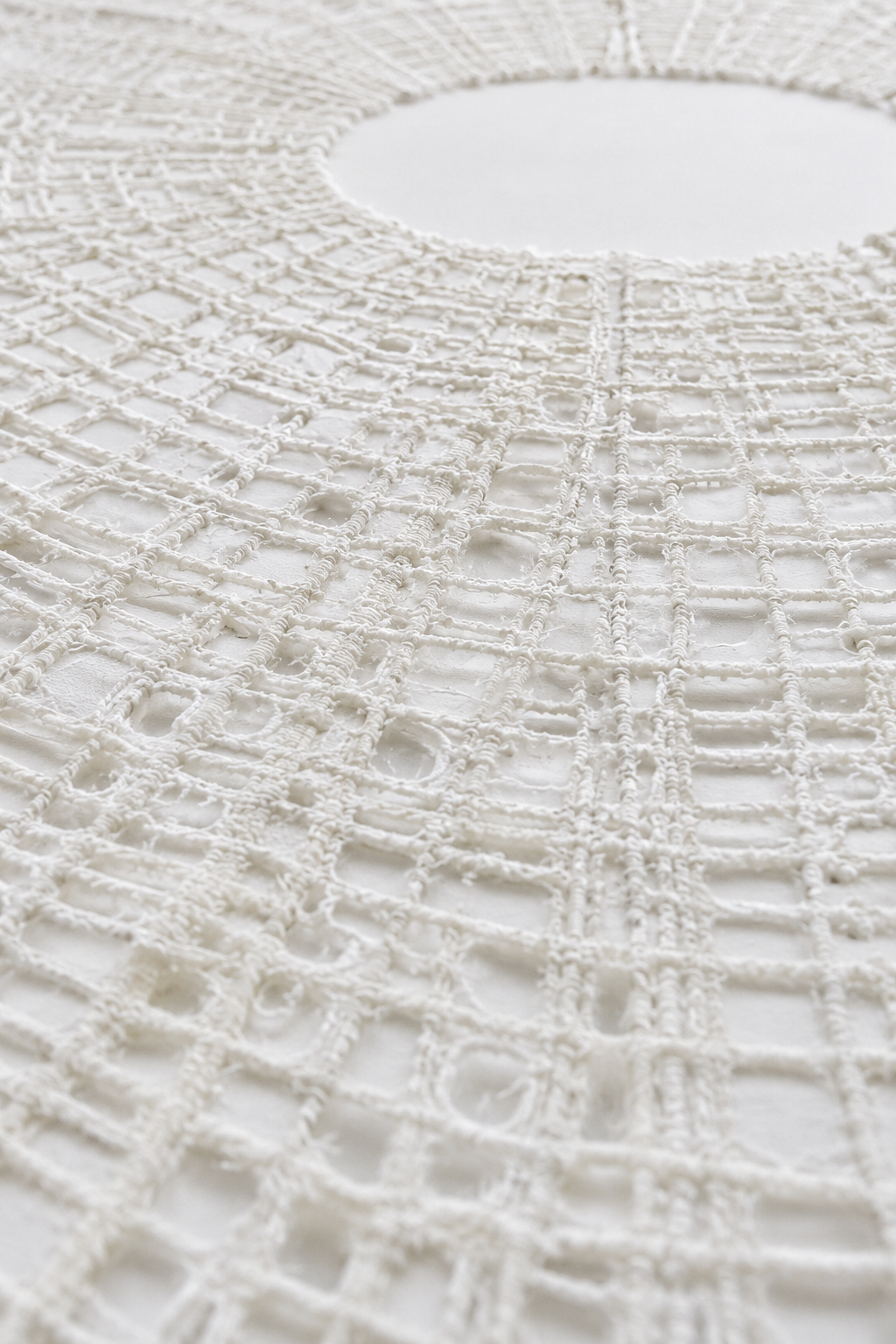
The second session expands these foundations into new territories. The sewing machine becomes a tool for printing, cutting, joining, building new paper surfaces, and working with water-soluble materials. Existing printed matter, photographs, and found documents become starting points for new interventions, while references to contemporary artists introduce different ways of thinking about thread, paper, and material-based artistic practice.
-
The third session is dedicated to advanced applications. Here, we move from individual techniques toward complete artistic projects, exploring layered paper structures, dimensional works, and spatial installations where paper, thread, and space become part of a single composition.
-
Throughout the workshop, technical demonstrations are combined with artistic references, practical exercises, and continuous experimentation. Every chapter encourages observation, documentation, and comparison. You will gradually build a personal reference library while developing your own working methods rather than reproducing someone else's.
The workshop is available Live Online or At Your Own Pace, allowing you to revisit every session and continue developing your practice over time.
-
The Sewing Machine Lab does not teach a style.
It teaches a way of observing.
A way of experimenting.
A way of making decisions.
The objective is not to teach you how to work like The Paper Lab.
The objective is to help you discover how you work.
Every puncture.
Every stitch.
Every material choice.
Every experiment.
These gradually become part of your personal visual language.
That language already exists. The workshop simply provides the tools to recognize it.
-
Your participation includes access to the complete workshop together with its supporting resources:
3 Live Online Sessions (120 minutes each).
Two Ways to Participate: Live Online or At Your Own Pace.
Dedicated Learning Resources: A dedicated ebook accompanies each session.
Workshop Recordings: Every session is recorded and made available after the workshop.
Download & Keep: Presentations, ebooks, demonstrations, articles, and supporting materials remain available for your personal reference.
Ongoing Support: Access to Paper Talk Pro and Paper Lab Berlin support sessions following the workshop.
Flexible Participation: You may attend the same workshop once more within six months, subject to available places.
Global Access: Separate Atlantic and Pacific groups are available whenever required to accommodate different time zones.
-
The Sewing Machine Lab welcomes participants with or without previous experience using a sewing machine. No specialized equipment is required before the workshop begins.
A domestic or industrial sewing machine, a small collection of papers, several machine needles, and basic sewing threads are sufficient to start working. Throughout the workshop, we will guide you step by step, introducing additional materials only when they become relevant to the exercises.
Rather than purchasing tools in advance, we encourage you to begin working with what you already have. As the workshop progresses, you will naturally discover which materials, papers, or accessories best support your own practice.
-
The workshop is taught in English.
For participants who would like additional language support, our Zoom platform offers live subtitles and translation options.
If you would like to use these features, please let us know before registering so that we can help you prepare for the workshop experience.
-
The Sewing Machine Lab Workshop Fee: €150
The workshop consists of:
3 Live Online Sessions
120 minutes each
or the possibility to participate At Your Own Pace through the recorded version.
I encourage you to take your time reviewing the attached materials.
Receiving this information package does not obligate you to register.
My goal is simply to provide all the information necessary for you to make an informed decision before committing to the workshop.
Two Bonus Masterclasses
The investigation of thread and paper extends beyond the sewing machine.
Every participant joining The Sewing Machine Lab — Threads & Paper, whether Live Online or At Your Own Pace, receives two additional recorded masterclasses that expand the workshop into further possibilities of thread, paper, and material transformation.
Included with both masterclasses
Each bonus masterclass includes a 90-minute recorded session, practical video demonstrations, and a dedicated eBookdeveloped specifically for the investigation.
Both masterclasses are included with every registration to The Sewing Machine Lab — Threads & Paper, at no additional cost.
-
Temporary Structures, Disappearing Surfaces & Thread
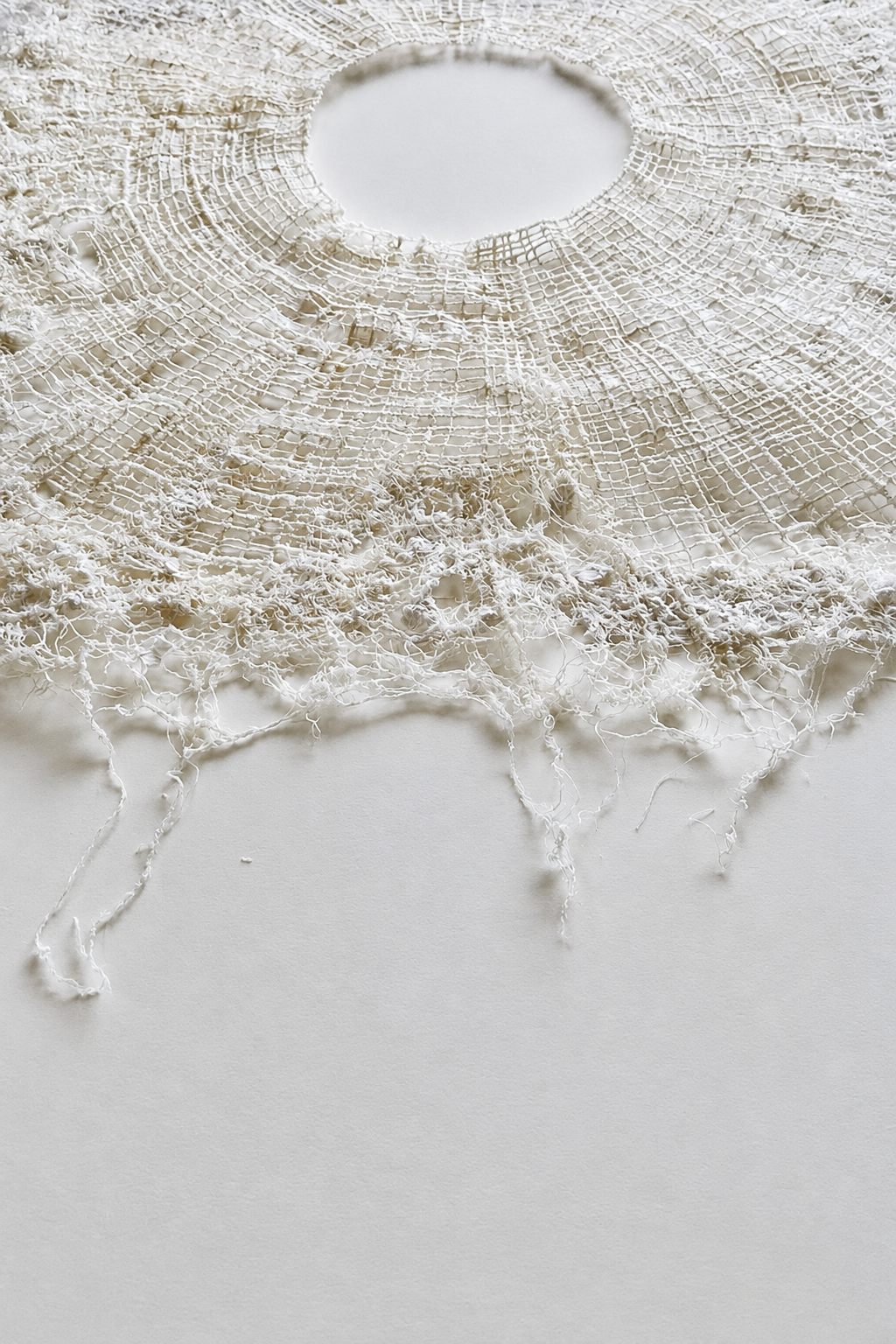
Emerging from textile and embroidery traditions, soluble paper allows us to stitch into a surface that is only temporarily present. Once dissolved, the supporting surface disappears and the thread is released to become structure itself.
We explore this remarkable material through demonstrations and experiments, looking at its potential for constructing delicate forms, networks, skins, and independent thread-based surfaces.
-
Thread, Crystallization & Mineral Growth
What happens when thread becomes more than a line or a connection—and begins to act as a structure for material growth?
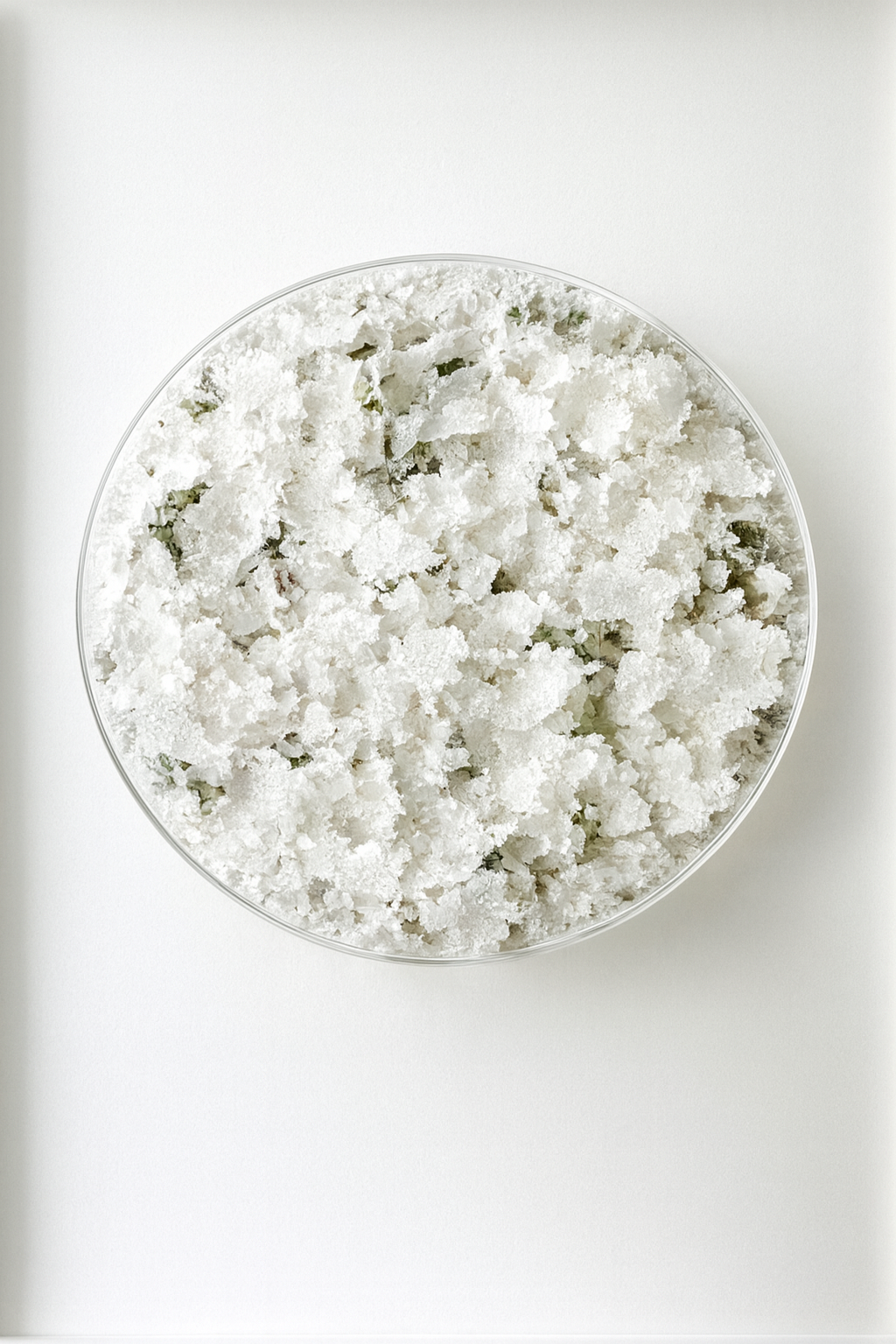
Through salt and crystallization, we extend the language of stitching into another territory. We investigate how minerals gather and grow across threads and paper, and how the stitched structure can become a carrier for an evolving, unpredictable surface.

Paper Talk
Introduction to Paper Lab Berlin
Paper Talk is a free monthly online gathering held at the beginning of each month and designed for anyone wishing to learn more about Paper Lab Berlin, our philosophy, workshops, and approach to paper-based practice.
Whether you are considering joining Foundations, exploring one of our advanced programs, or simply curious about our work, Paper Talk offers an opportunity to meet Guy Lougashi, ask questions, and gain a deeper understanding of how Paper Lab Berlin approaches research, experimentation, and contemporary paper form-making.
The session includes an introduction to our workshops, teaching philosophy, current programs, and time for open discussion and questions. It is an ideal first step for those who would like to engage with the community before joining a workshop.
Participation is free, but registration is required.
Registration & Next Steps
To join the workshop or simply to ask questions and learn more about the program
please complete the inquiry form for the workshop cycle that best suits your schedule.
We encourage you to use the form not only for registration requests, but also for any questions you may have about the workshop, its structure, materials, schedule, or suitability for your practice.
Within 24–48 hours of receiving your inquiry, we will send you a detailed information package that includes:
• Workshop information and structure
• Participant guidelines and policies
• Equipment and materials list
• Registration form
• Payment instructions
Workshop Fee: €150
We believe that participants should have a clear understanding of the workshop before making a commitment. For this reason, receiving the information package does not obligate you to register. After reviewing the workshop details, requirements, and guidelines, you may decide whether you would like to proceed with registration and payment.
Language Support
The workshop is taught in English. Live subtitles and translation options are available through our Zoom platform for participants who would like to follow the sessions in their preferred language. If you would like to use these features, please mention this in your inquiry so that we can help you prepare for the workshop experience.
If you do not receive a reply within 48 hours, please check your spam or junk folder and consider adding our email address to your contacts. In some cases, we may also send a brief WhatsApp message to ensure that our communication reaches you successfully.
We look forward to hearing from you and to welcoming you to Foundations.
upcoming Workshop
October
3 Live Online Sessions
Tuesdays
13 October 2026
20 October 2026
27 October 2026
18:00–20:00 CET (Berlin Time)
120 Minutes per Session

upcoming Workshop
December cycle
3 Live Online Sessions
Thursdays
03 December 2026
10 December 2026
17 December 2026
17:00–19:00 CET (Berlin Time)
120 Minutes per Session