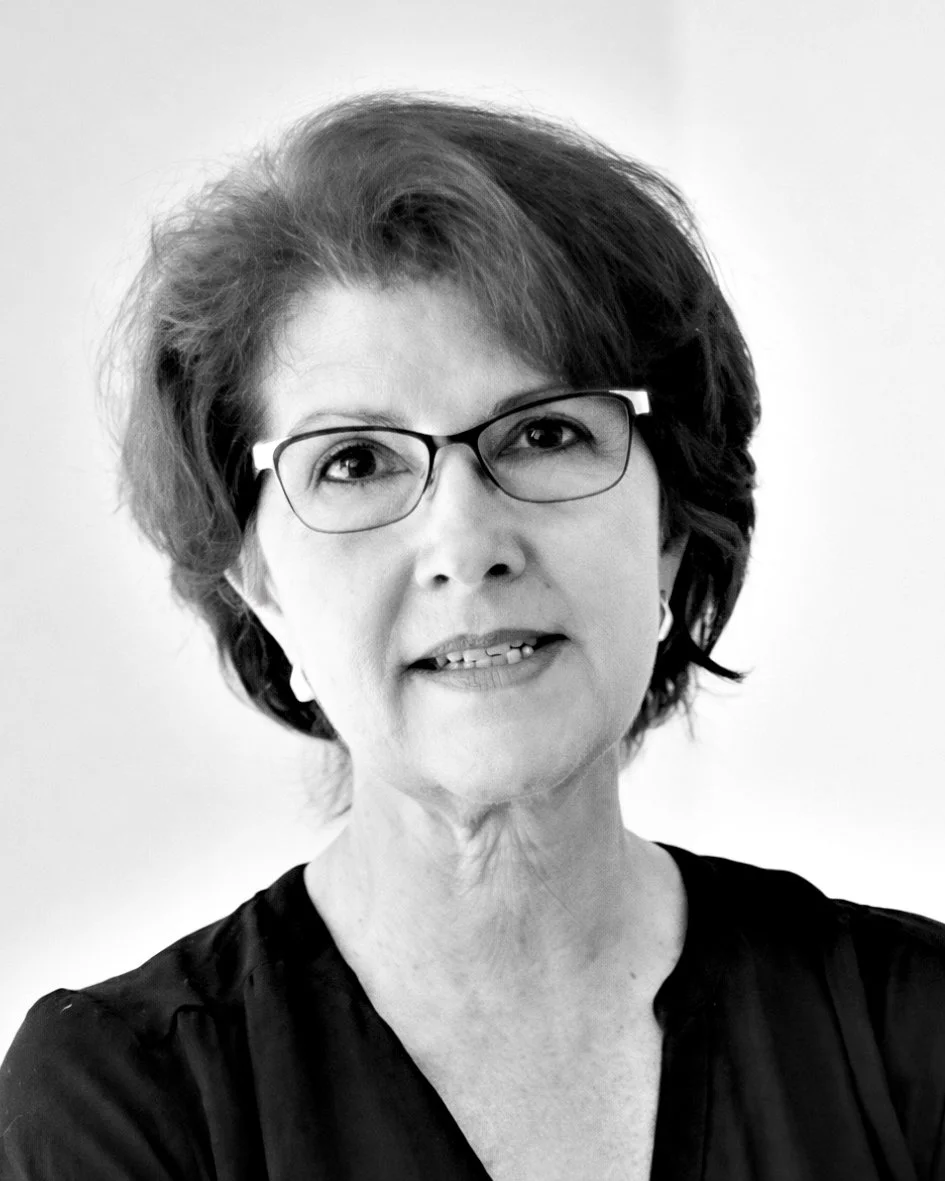
Miriam Londoño
Writing Without a Surface
https://www.instagram.com/miriamlondonob/
April’s Masterclass
Monday, 13 April 2026
18.00 Berlin time zone (CET)
In March, we are honored to host Miriam Londoño on the Paper Lab’ers platform for a rare and in-depth masterclass dedicated to her singular practice with paper pulp as drawing, writing, and structure.
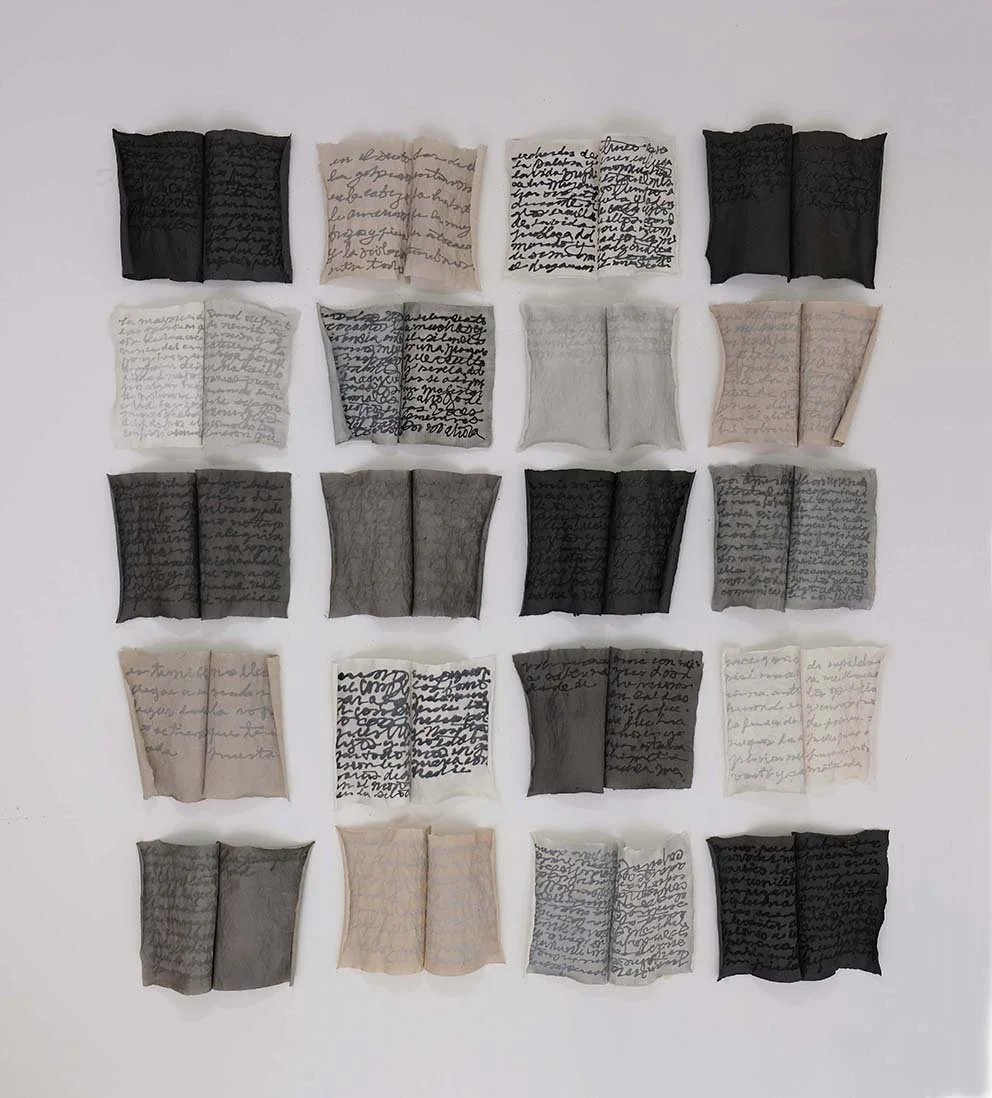
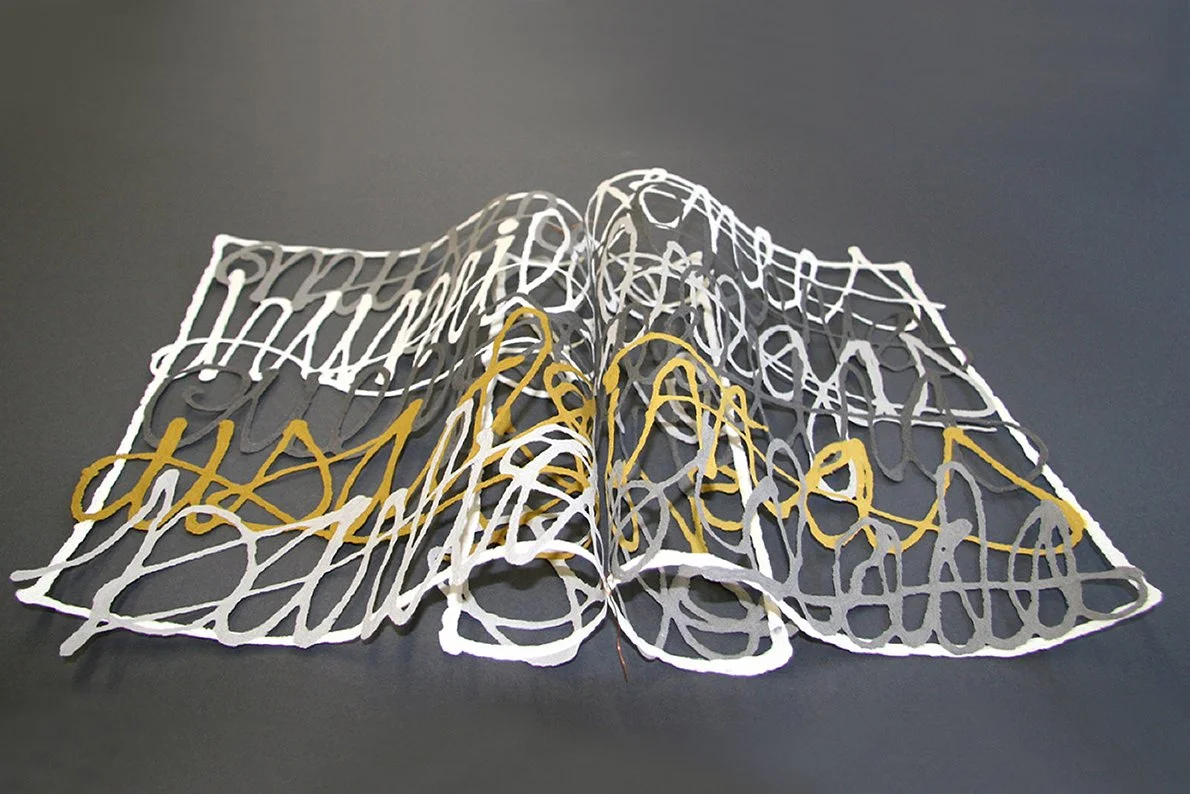
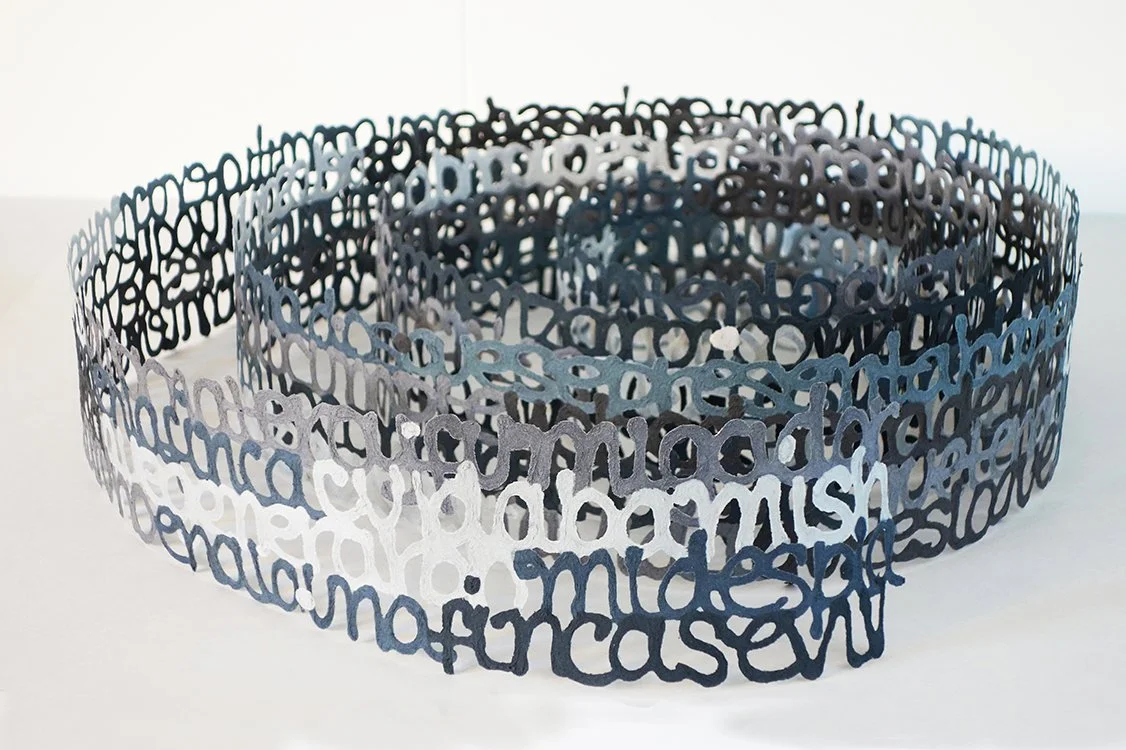
Miriam’s work stands apart within contemporary paper practices. Over many years, she has developed a language in which paper is no longer a surface, but becomes the line itself — a sculptural, material line that moves freely in space.
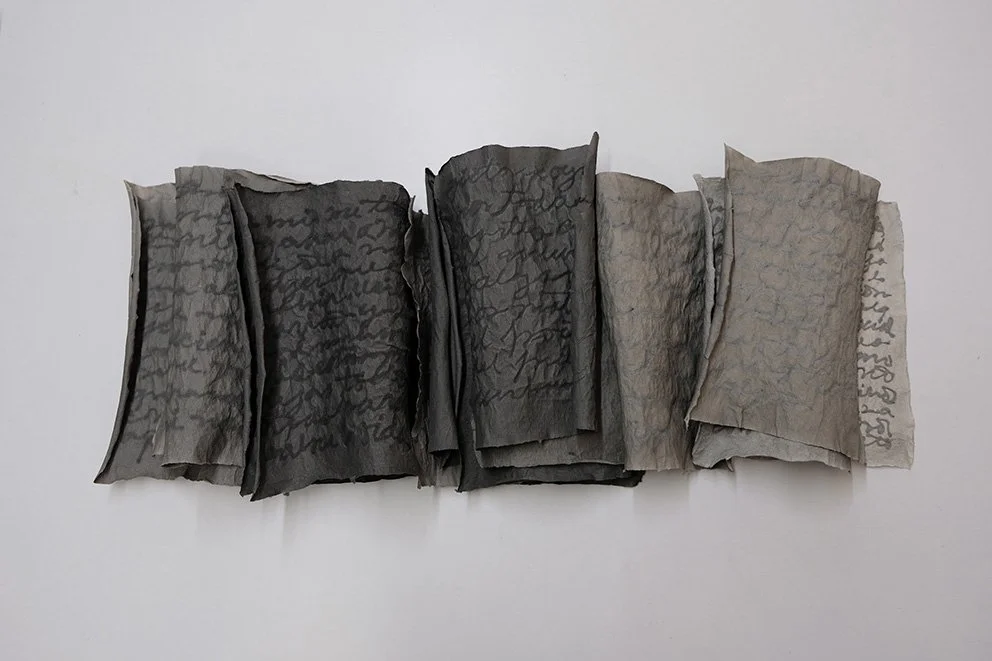
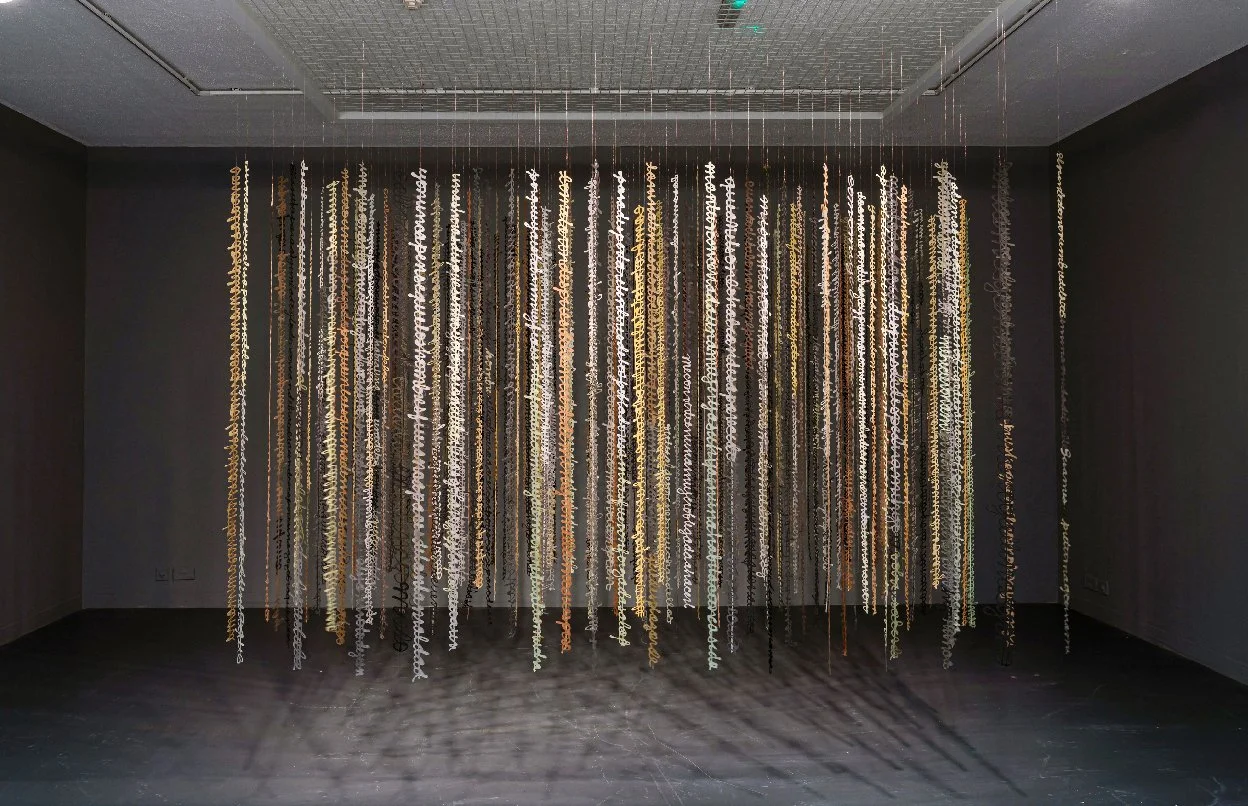
In her practice, writing crosses a threshold: it leaves the page behind and emerges as a self-supporting material language, existing independently in space.
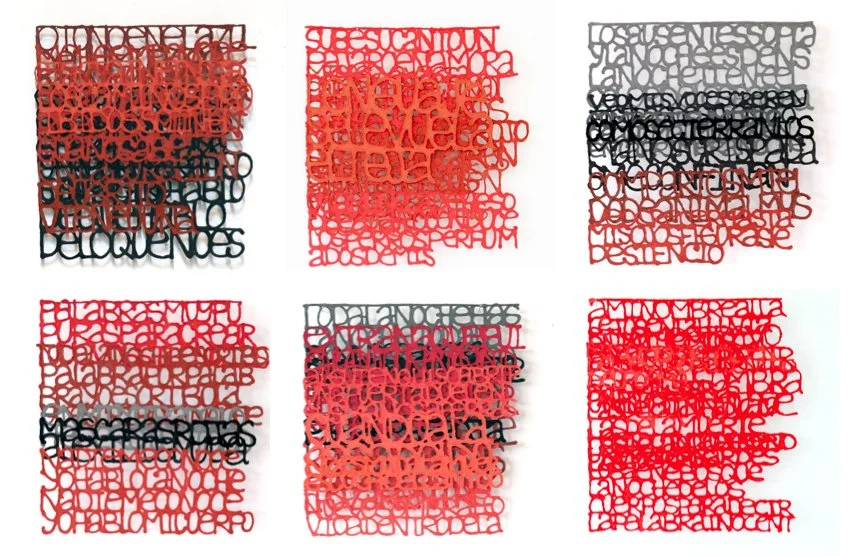
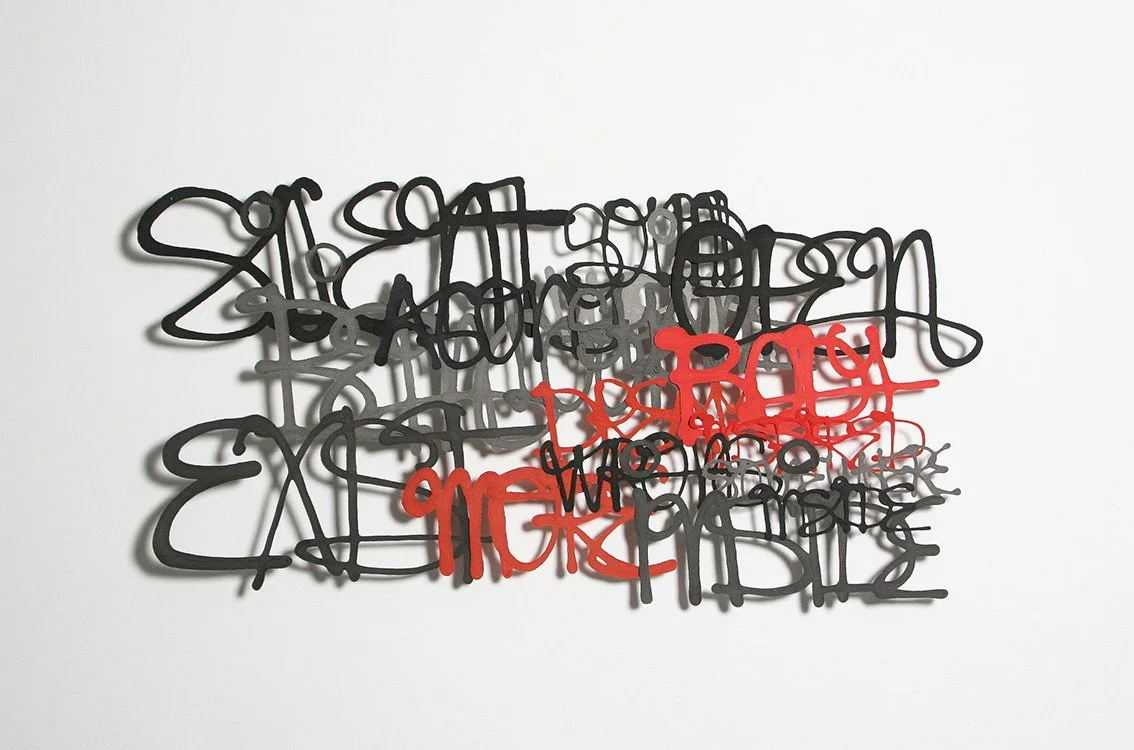
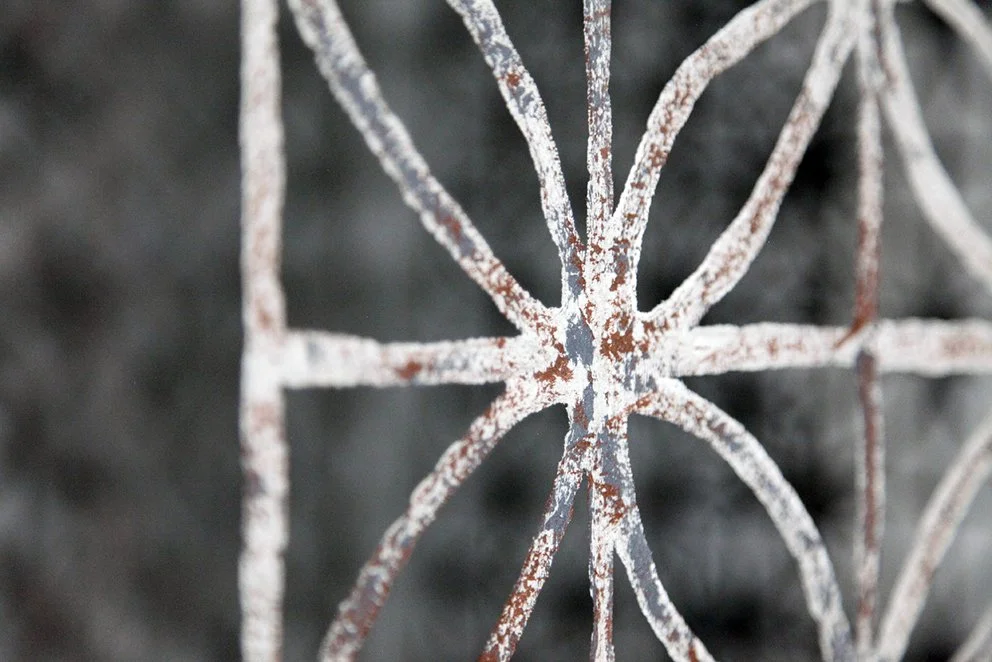
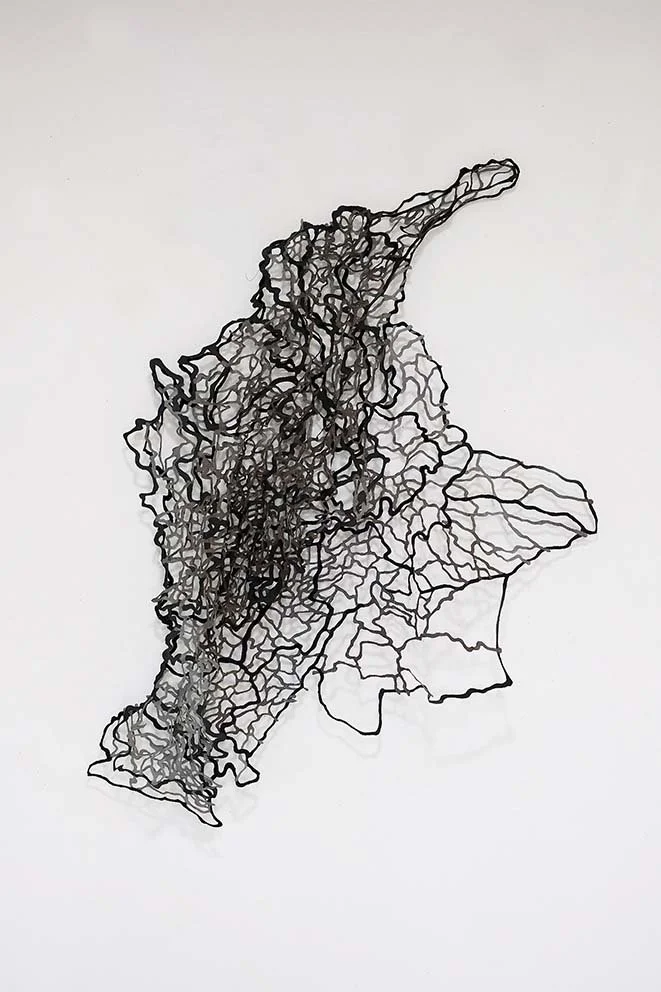
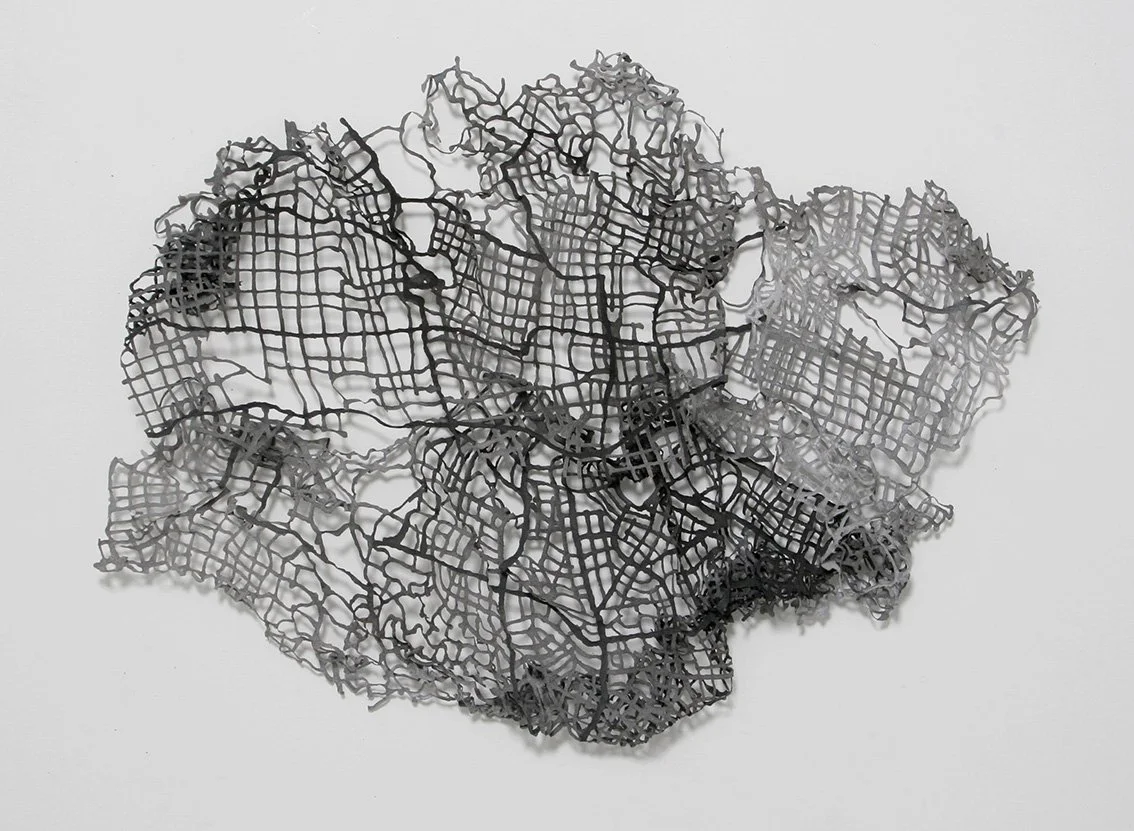
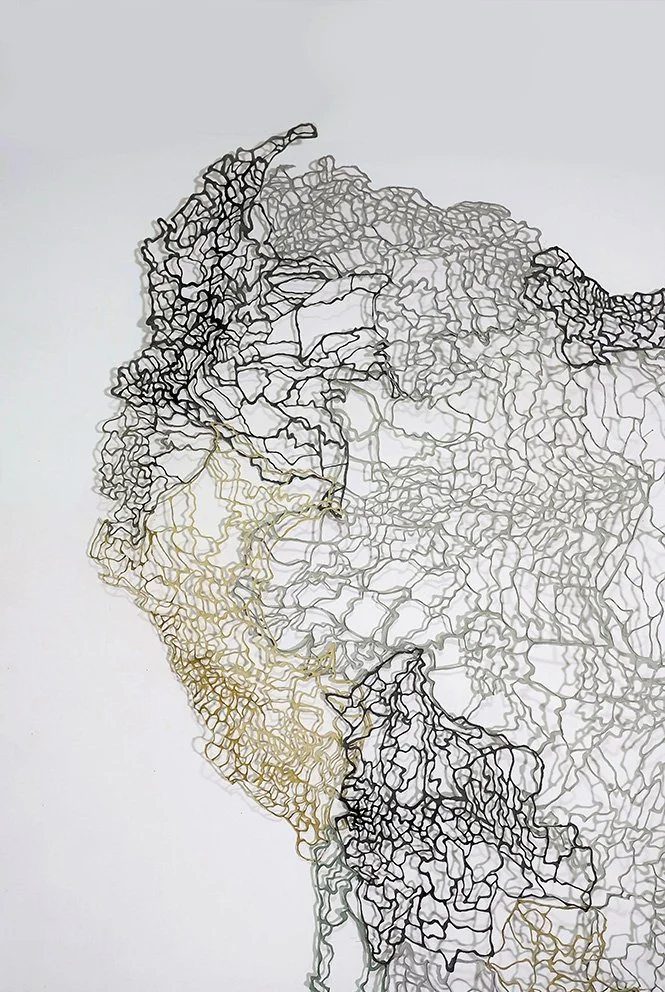
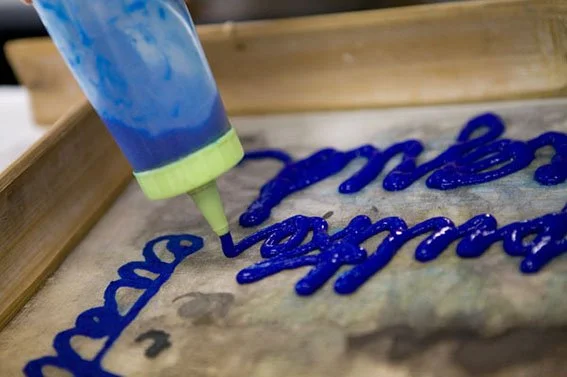
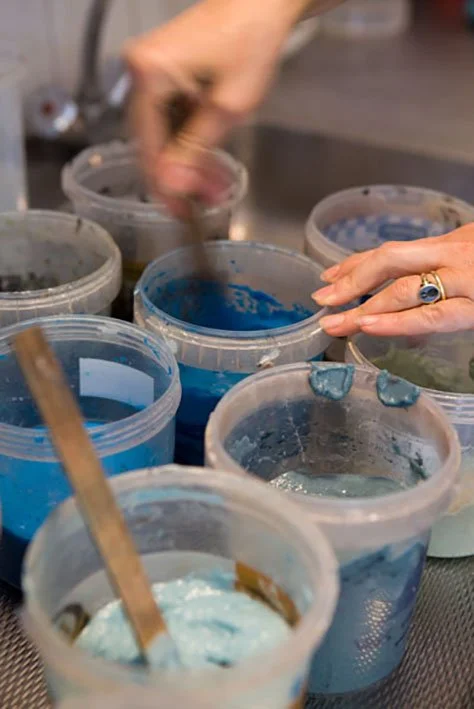
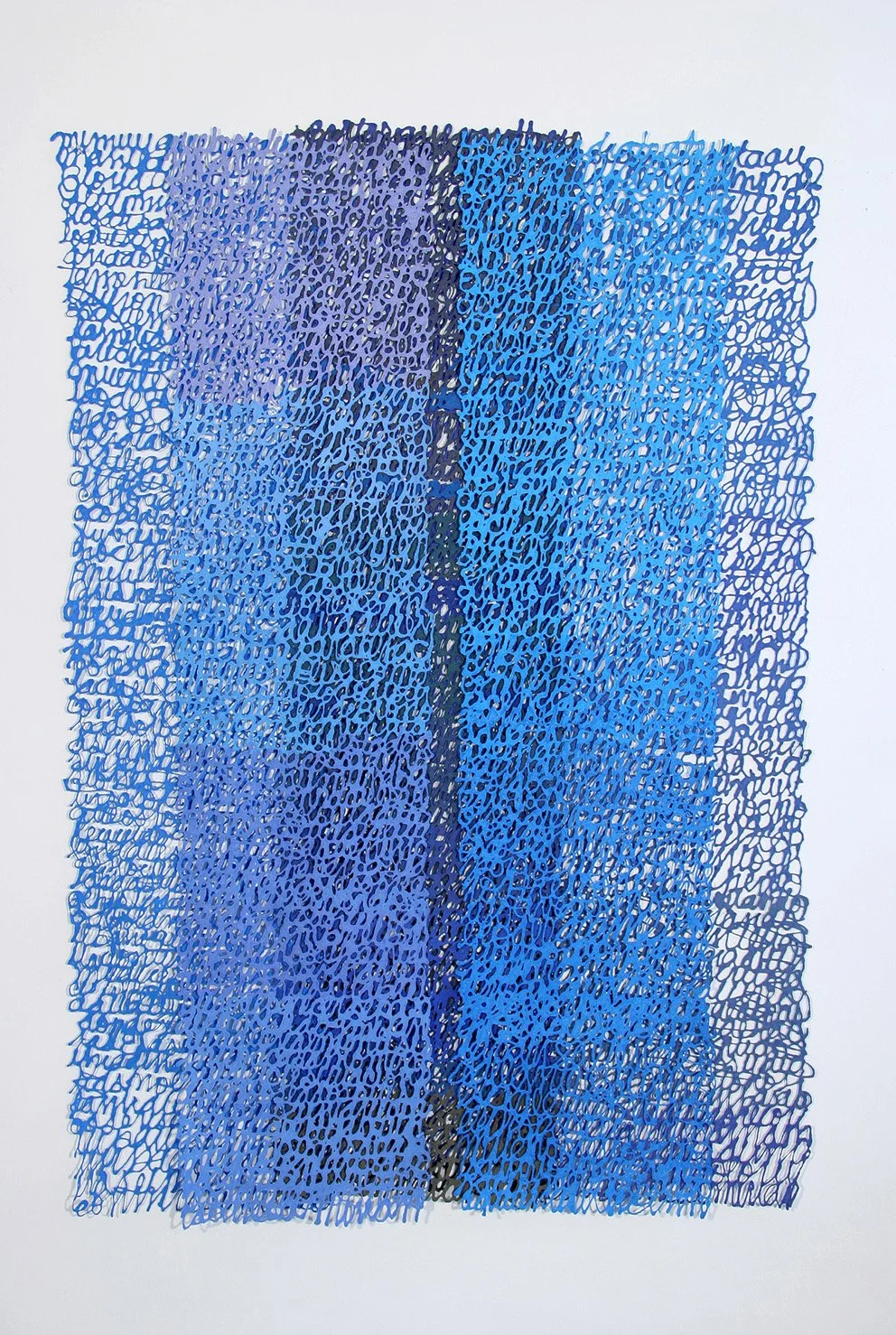
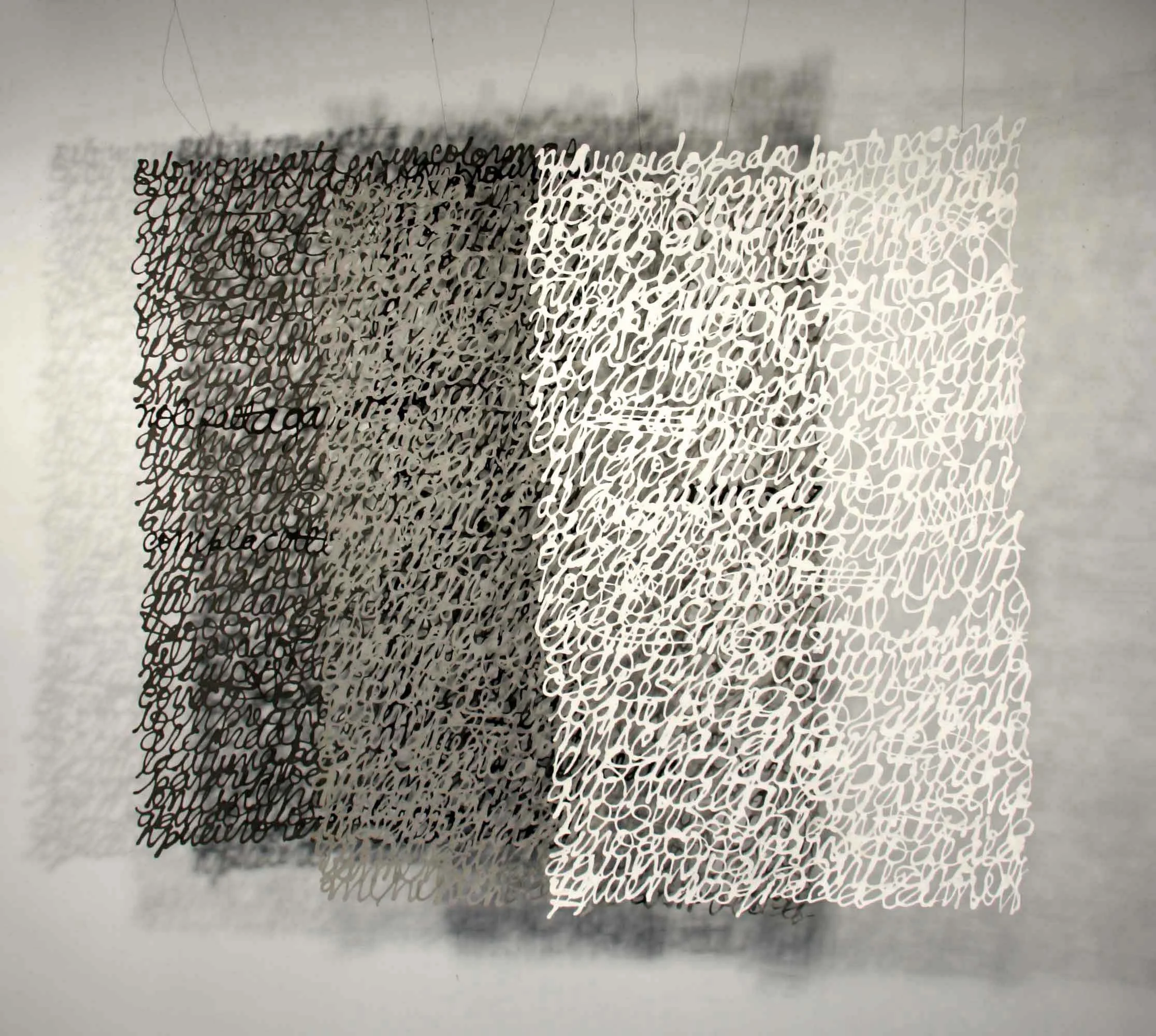
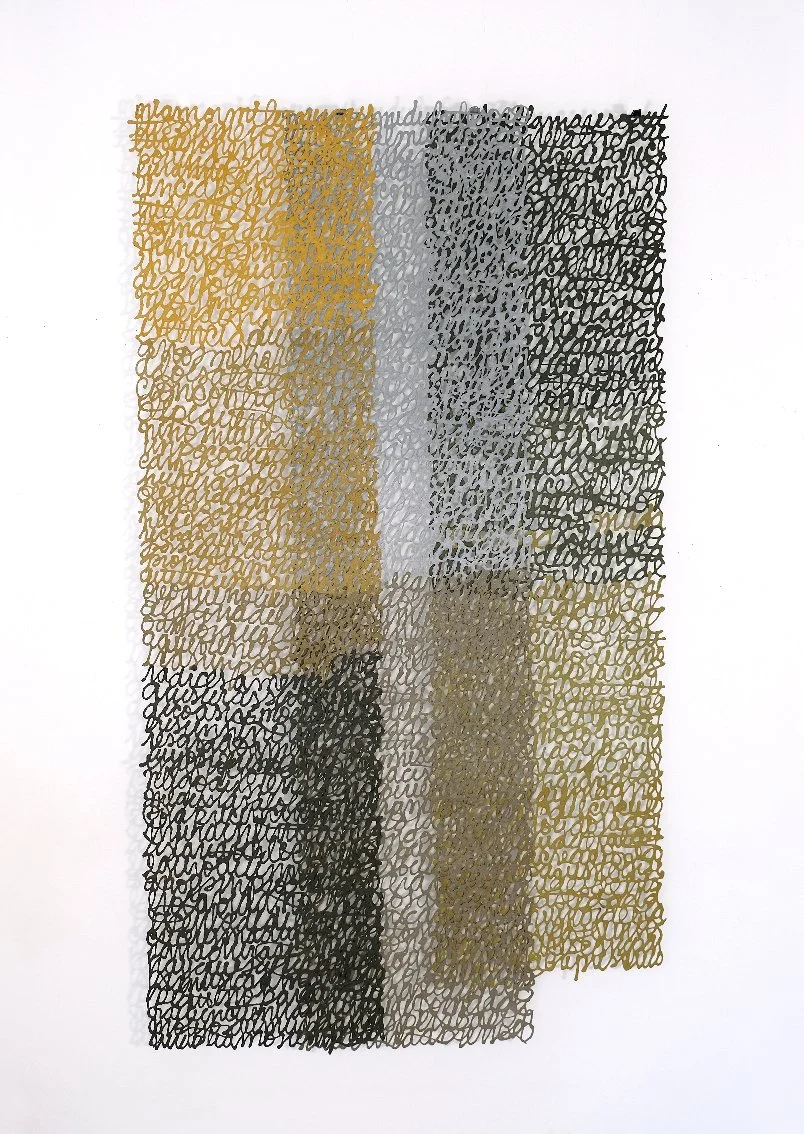
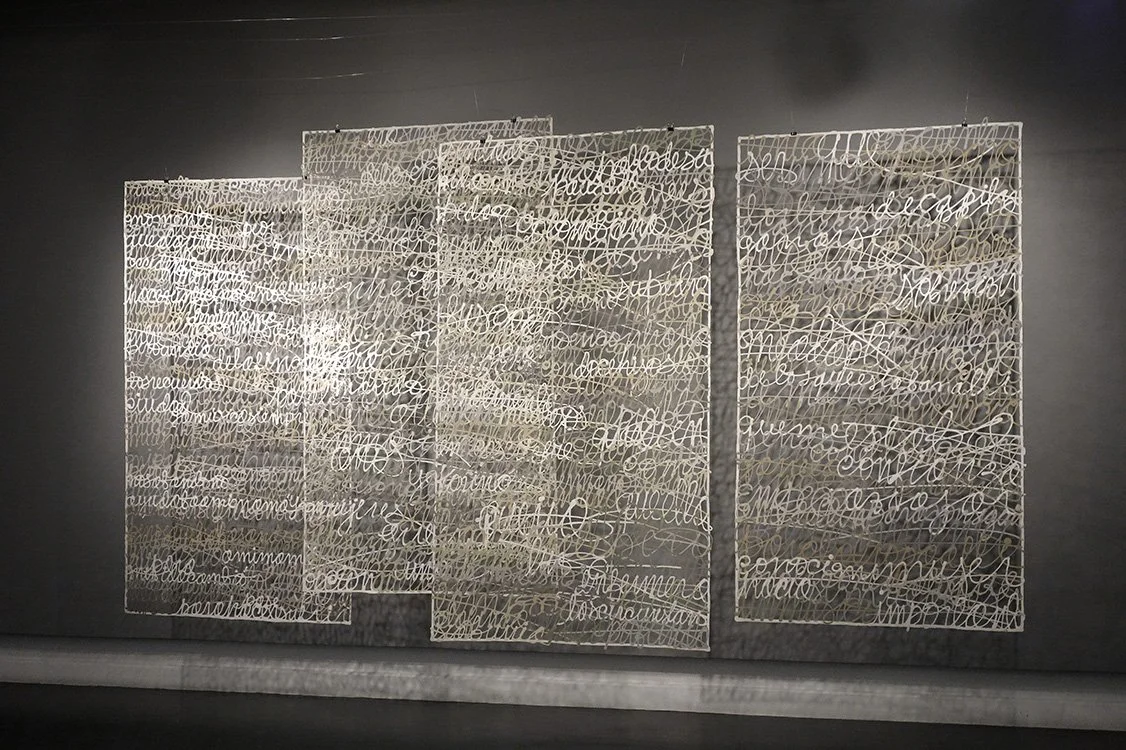
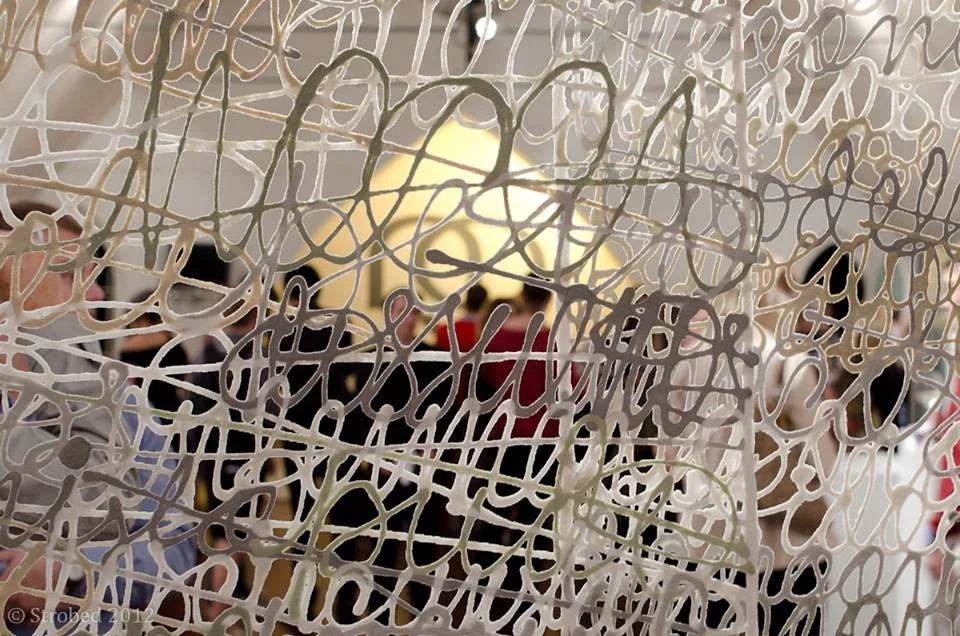
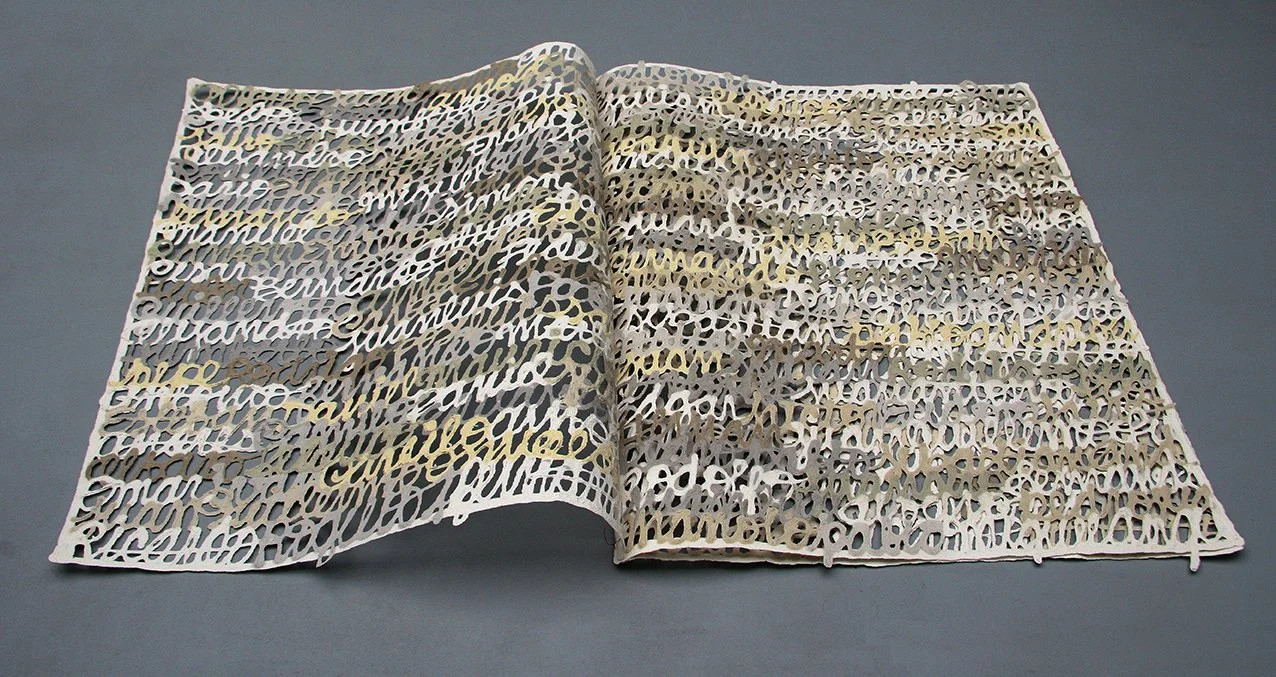
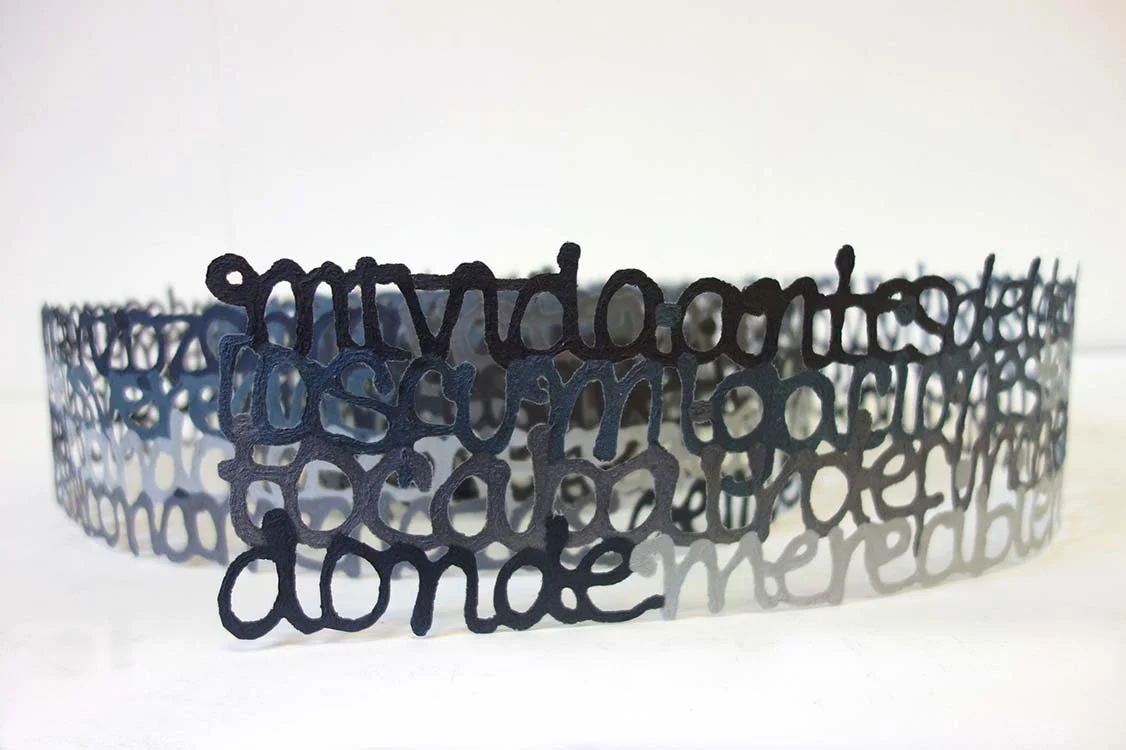
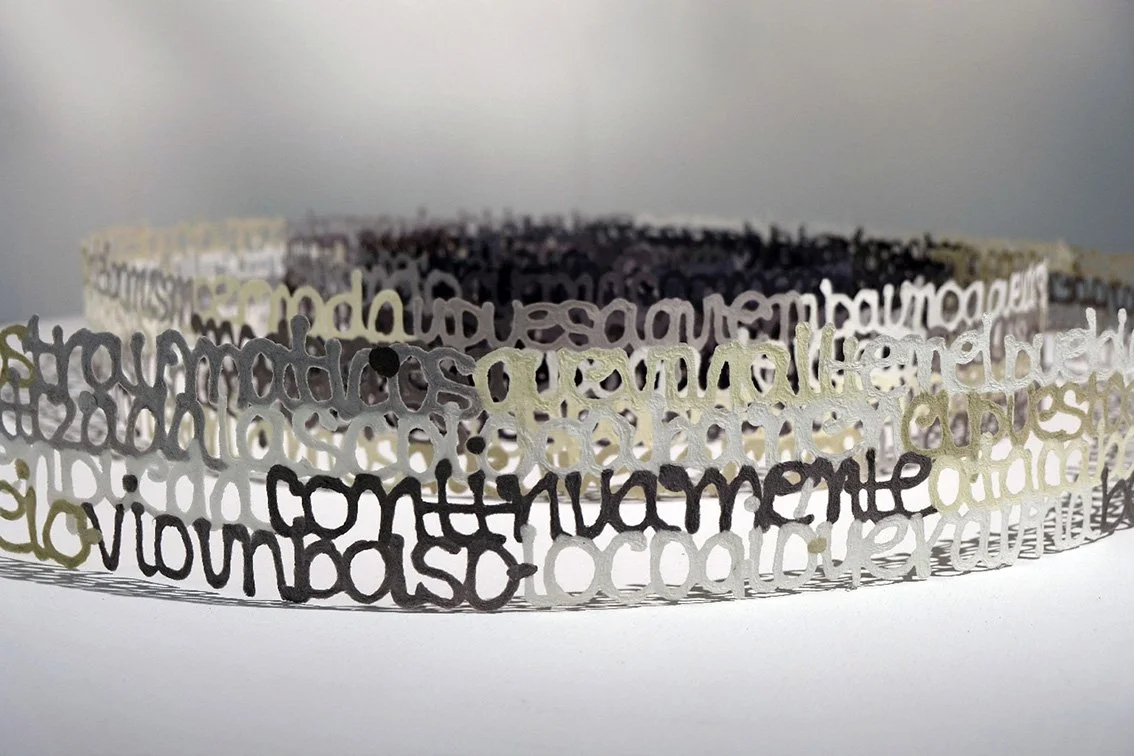
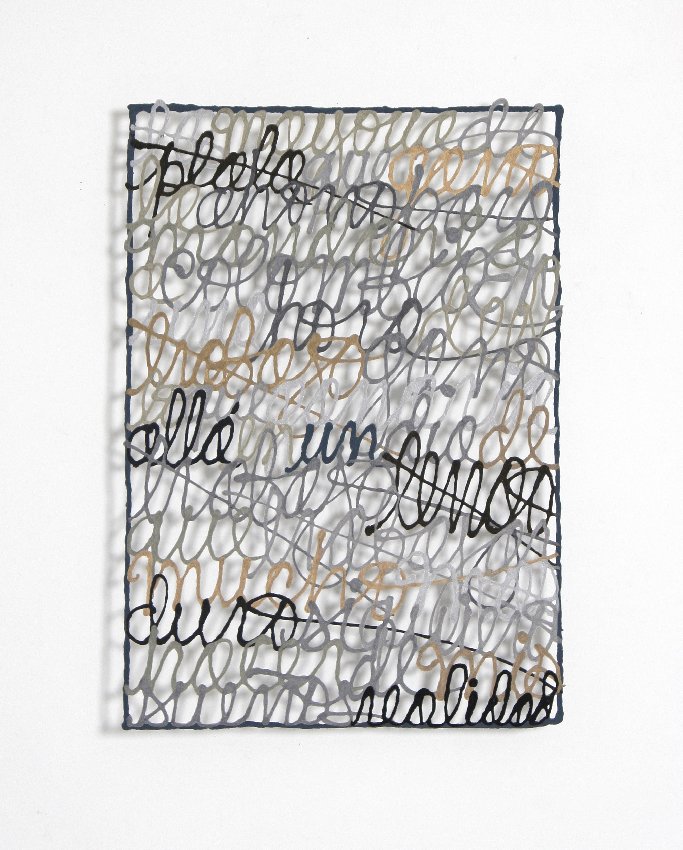
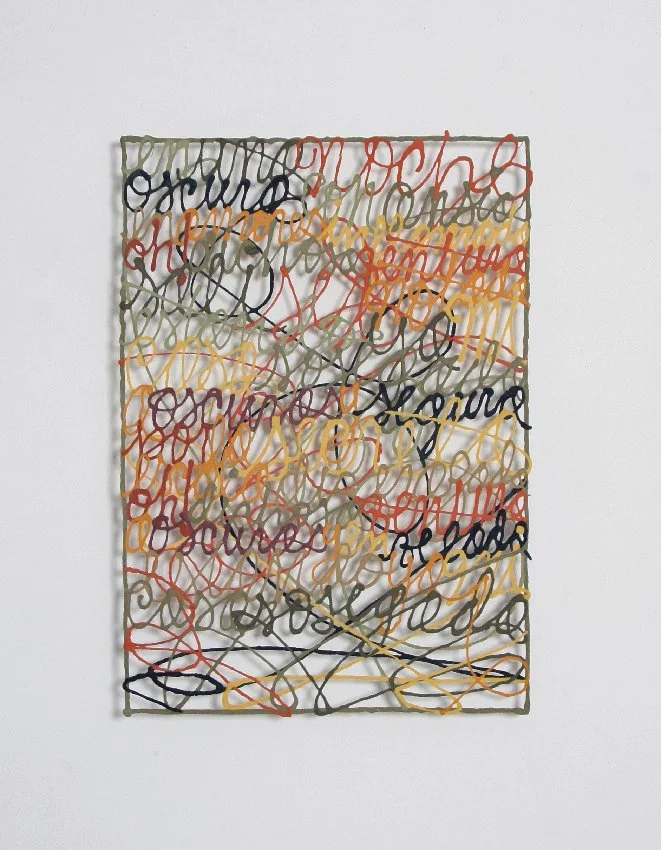
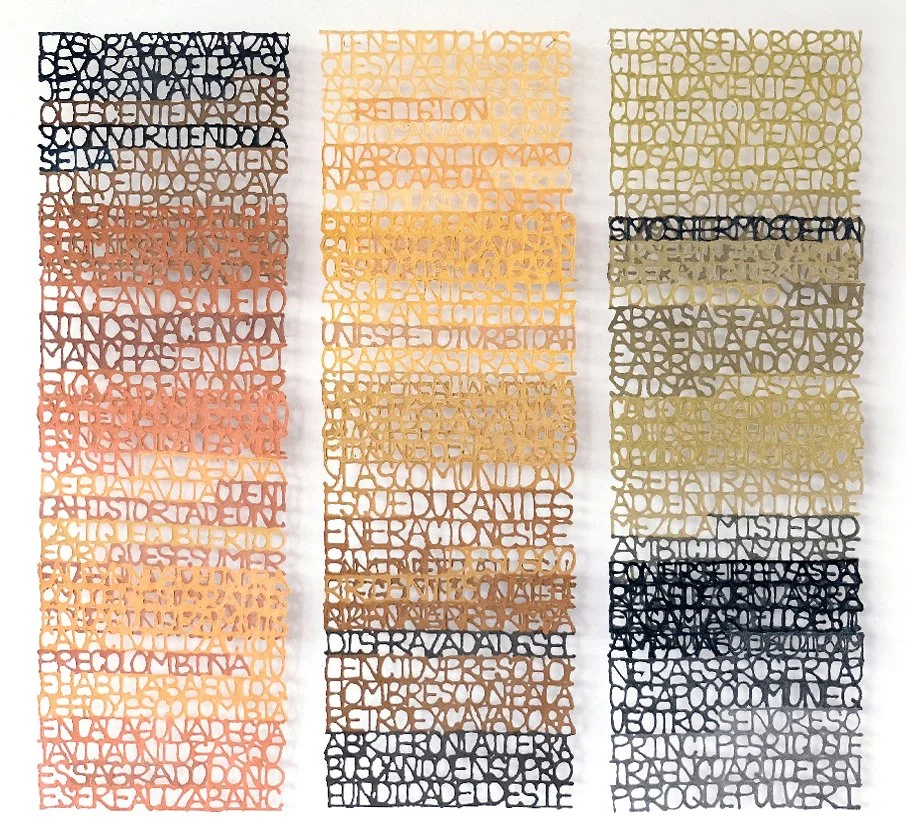
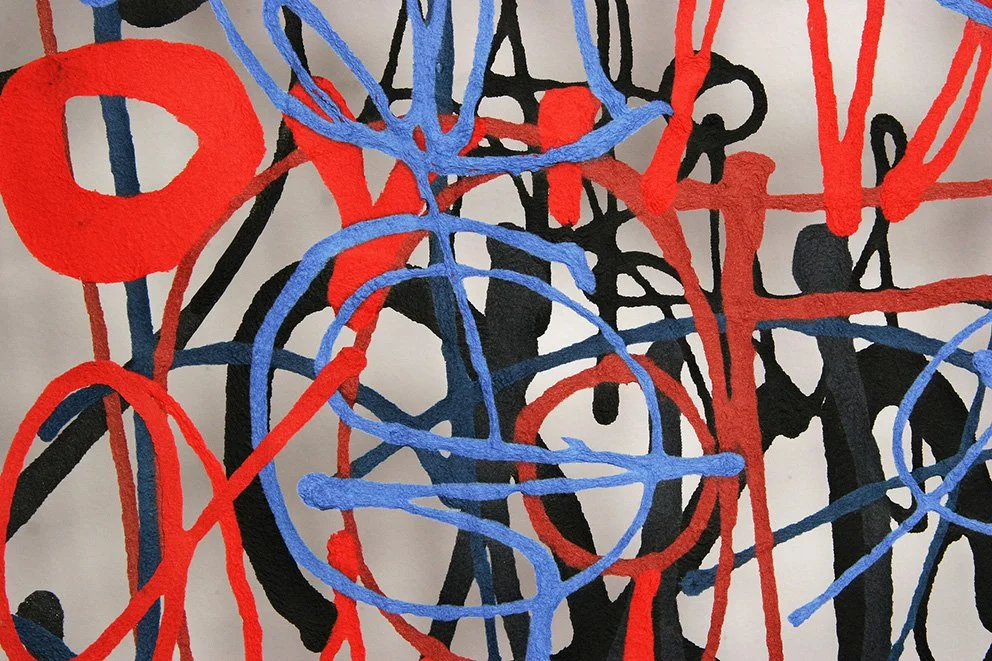
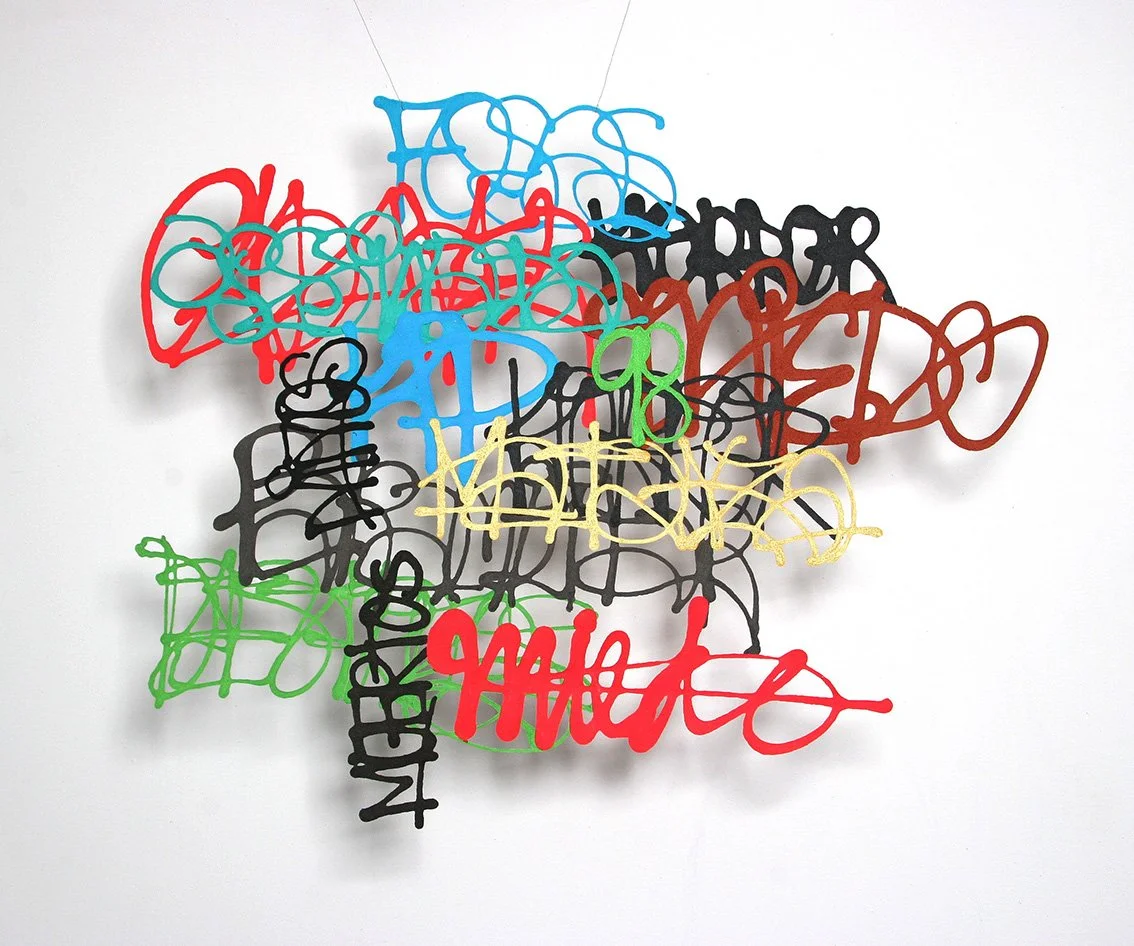
Working with colored paper pulp prepared with exceptional precision, Miriam draws freehand using squeeze bottles, allowing gesture, pressure, and material consistency to shape each line. Letters, words, maps, and calligraphic forms abandon two-dimensionality and exist as fragile yet structurally independent forms, held together solely by fiber, tension, and rhythm.
Her practice is deeply rooted in memory, exile, migration, and testimony. Early works took the form of personal letters written in pulp; later projects transformed interviews, literary texts, and lived experiences into spatial calligraphic installations. Series such as Stories of Immigrants, Corazón Violento, Testimonies, Exodus, Empty Maps, and Safe Housereflect a sustained engagement with displacement, geography, and the fragile architectures of identity.
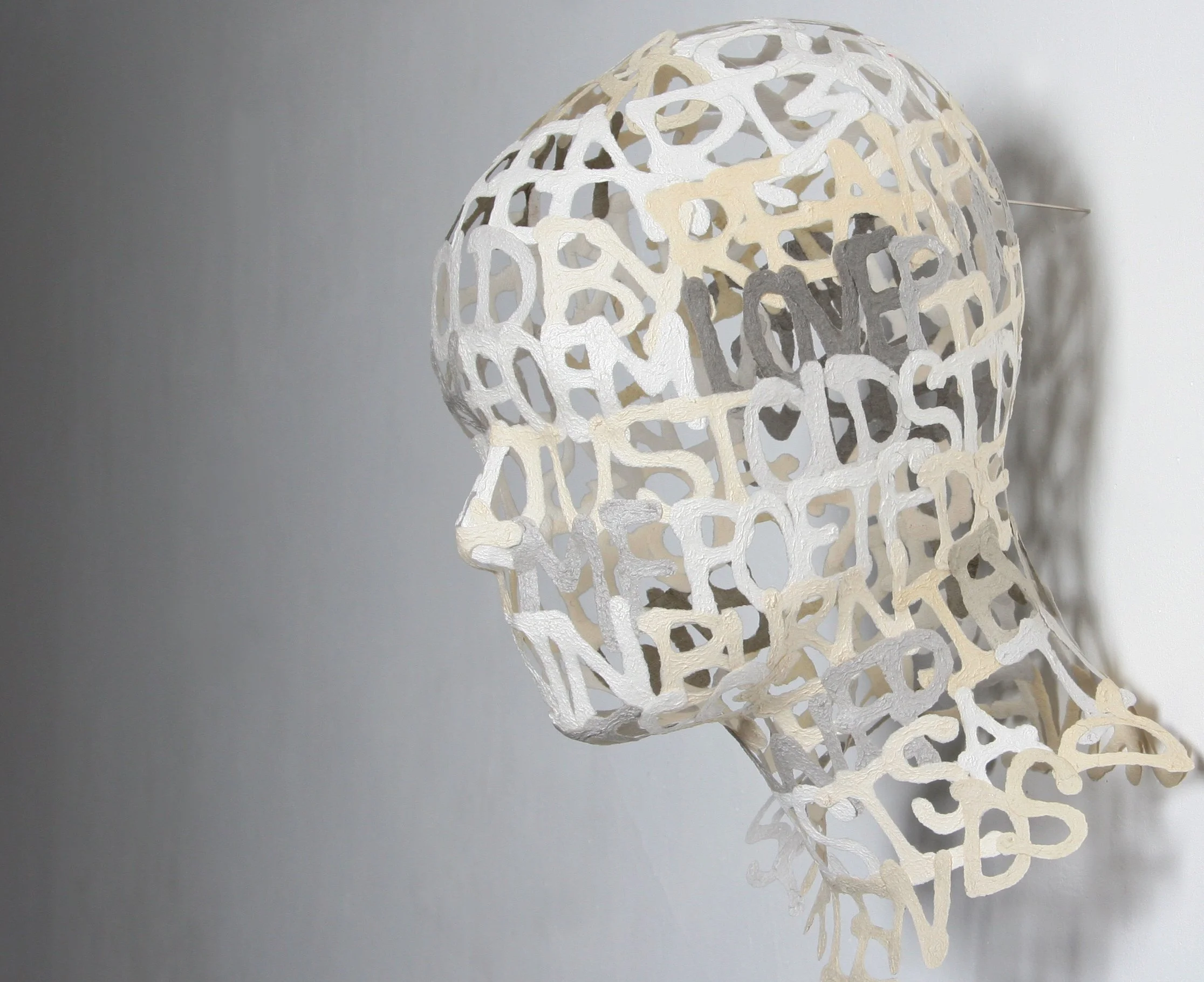
Rather than illustrating narratives, Miriam’s work gives language a body. Writing becomes structure; gesture becomes architecture. Her lines hold both material intensity and internal hollowness, allowing absence, silence, and memory to inhabit the work as much as fiber and color.
This masterclass will offer Paper Lab members:
Insight into Miriam’s conceptual framework and research-based practice
Her approach to paper pulp as a sculptural drawing and writing medium
Reflections on line, gesture, improvisation, and material control
The challenges of creating self-supporting structures without a substrate
A discussion on paper as a carrier of memory, testimony, and lived experience
Conceived as a research encounter rather than a technical demonstration alone, this session aligns closely with Paper Lab’s ongoing exploration of material thinking, experimentation, and the expanded field of paper.

Paper holds a profound cultural and symbolic presence across civilizations, yet its sculptural potential often remains overlooked. In Miriam Londoño’s practice, paper becomes both medium and language — a material capable of carrying text, memory, and gesture beyond the surface.
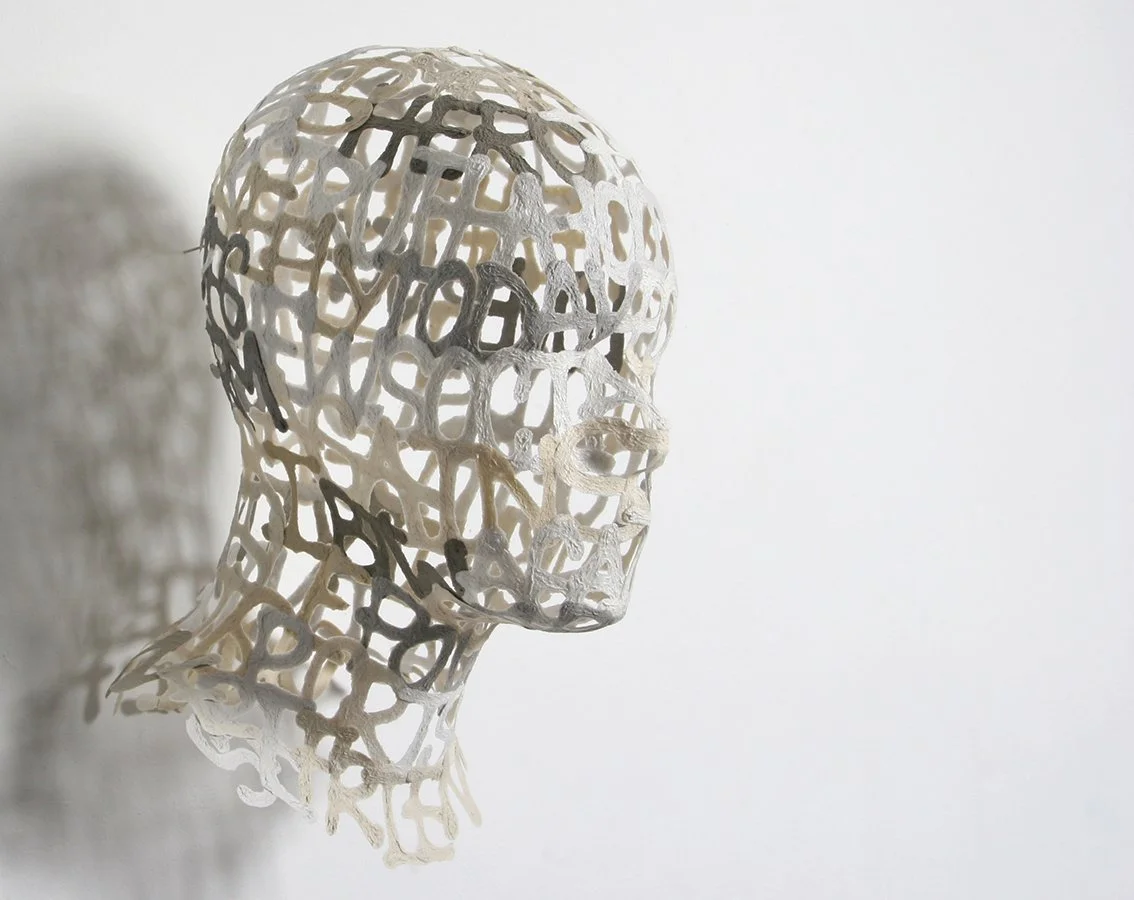
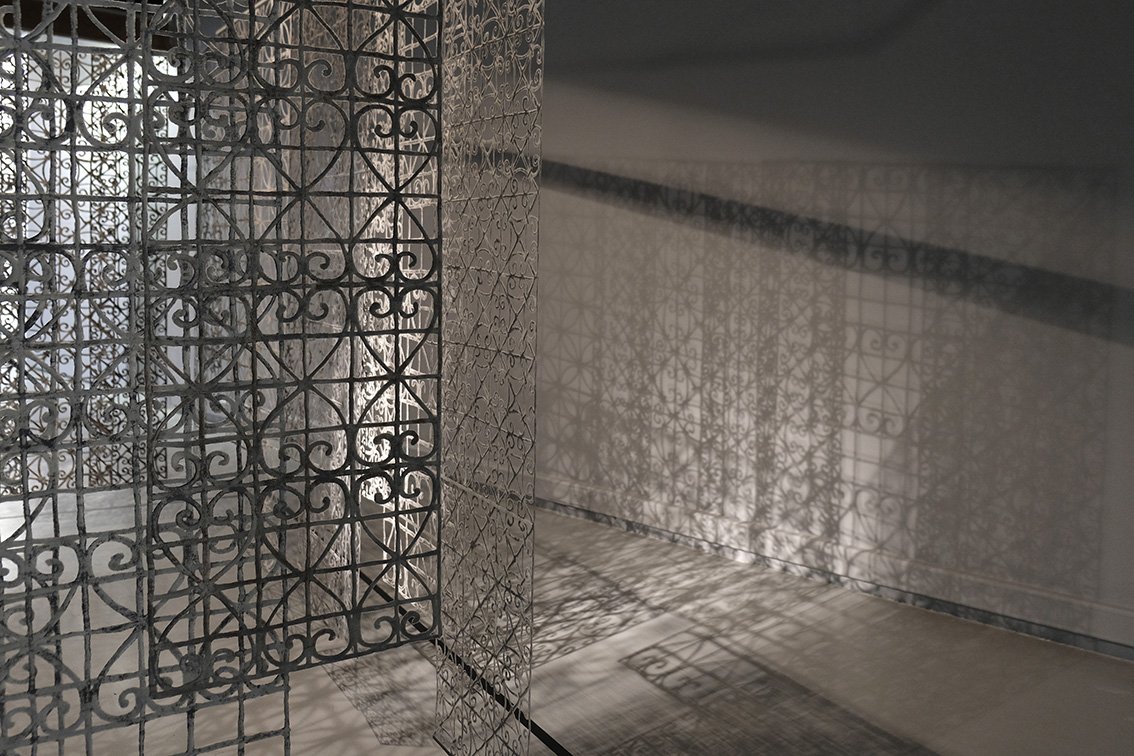
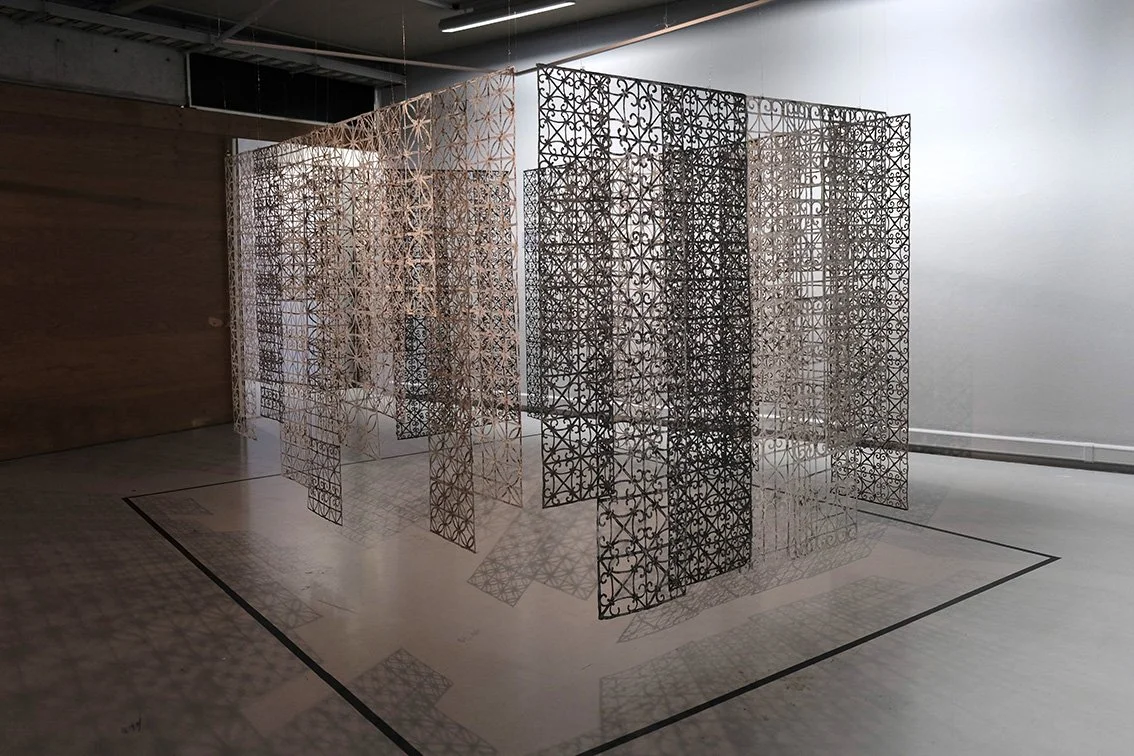
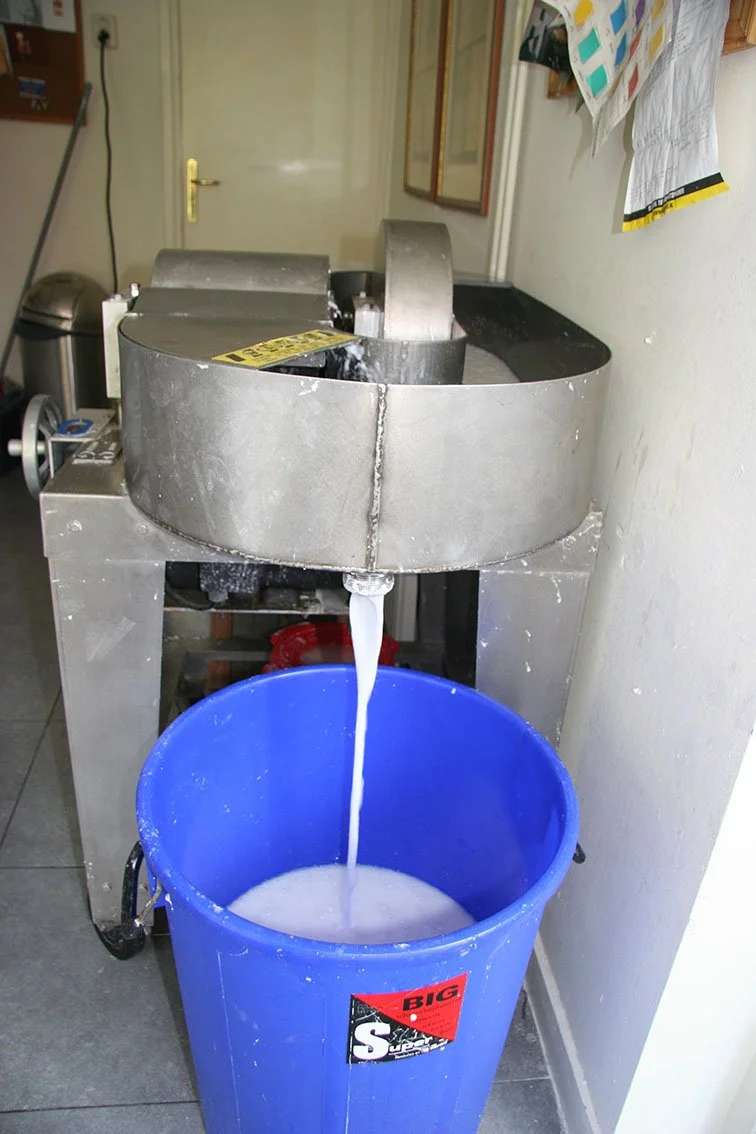
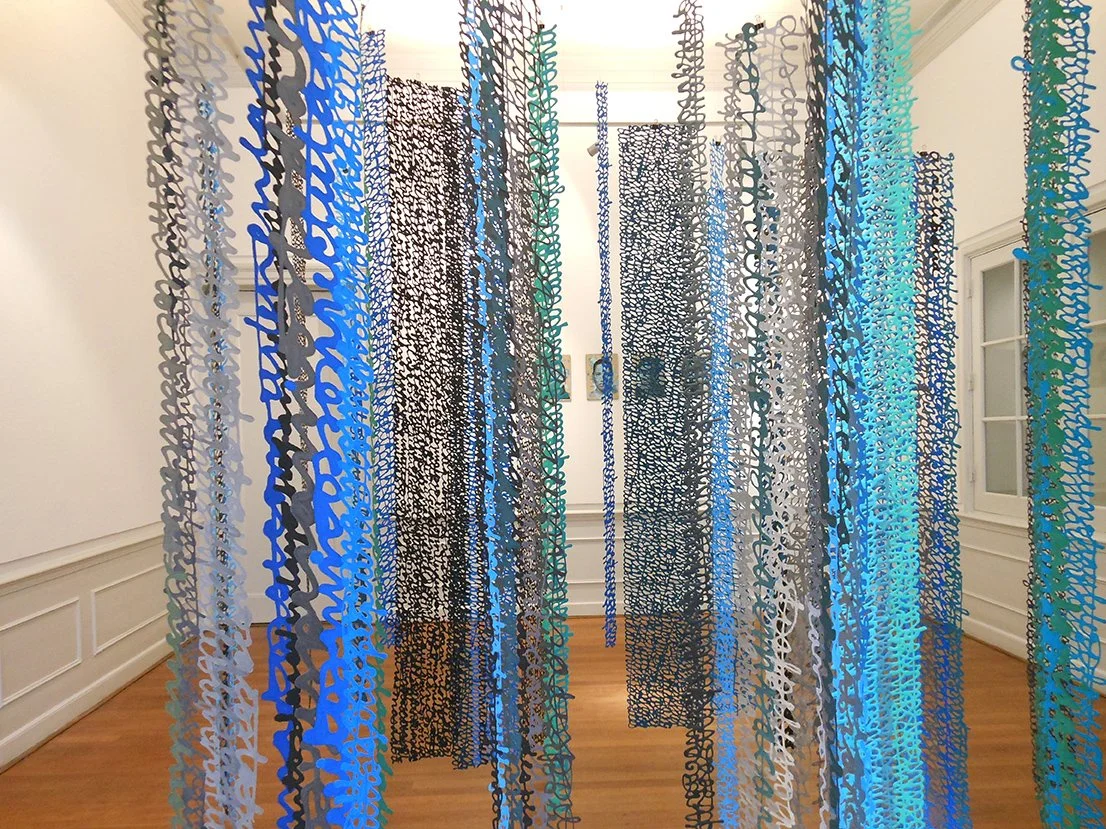
Working with handmade paper pulp, Londoño develops a process that merges traditional Eastern papermaking knowledge with experimental approaches. Rather than drawing on paper, she draws with paper. Colored pulp is guided into lines, letters, and fragile structures that appear suspended in space. The gesture of writing leaves the page and becomes spatial — a form of sculptural drawing that seems to hover in the air. What was once confined to the flat surface transforms into a network of traces, delicate yet present, occupying the void with transparency and light.
In these works, liquid pulp becomes a form of ink. Literary texts, poems, fragments of stories, and shared memories are rewritten through a slow material process that dissolves the boundaries between writing, drawing, and sculpture. Language is no longer presented as a linear structure or a fixed narrative. Instead, it unfolds as an open field of perception where meaning emerges through movement, shadow, absence, and the viewer’s own interpretation.
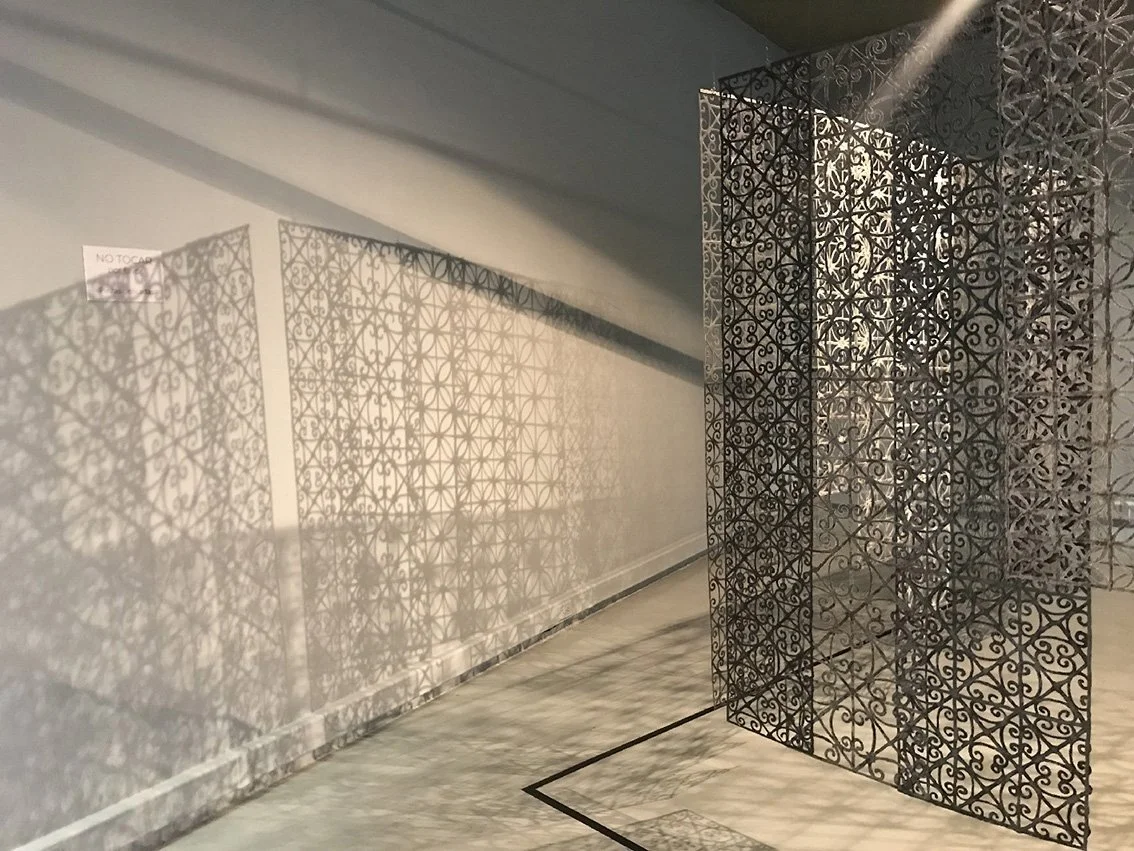
The resulting forms behave like spatial manuscripts — fragile constellations of letters and lines where emptiness plays an essential role. What is absent becomes as important as what is visible. Light passes through the structures, projecting shadows that extend the work into its surroundings and creating a layered experience between material presence and immaterial space.
Londoño’s exploration of writing in space is closely connected to themes that run throughout her practice: migration, communication, and the fragile nature of belonging. She reflects on how displacement and traumatic experience can fracture identity and memory, leaving gaps within personal and collective narratives. These fractures appear in her work as interruptions, silences, and suspended fragments of language.
Through paper pulp — a material both delicate and resilient — Miriam Londoño constructs a visual language where text becomes sculpture and memory becomes architecture. Her works invite the viewer to read not only with the eyes, but with the awareness of space, shadow, and absence, where meaning remains open and continually shifting.